Can a Book-Size STO Inverter Be Integrated into a Compact Speed Control Inverter Cabinet?
Modern industrial equipment requires increasingly compact control systems without compromising safety, performance, or flexibility. For machine builders and system integrators, selecting a drive that fits limited cabinet space while meeting operational requirements has become a key consideration. A book-size STO inverter can provide a practical solution when designed with high power density and integrated safety functions. However, compatibility with a compact speed control inverter cabinet depends on more than physical dimensions. Engineers must also evaluate safety features, terminal flexibility, and overall system integration.
Why Compact Cabinet Design Requires Advanced Inverter Solutions
Industrial control cabinets are becoming smaller as manufacturers seek to reduce machine footprints and improve installation efficiency. Traditional drive systems often require additional safety components, wiring space, and cooling arrangements, which can increase cabinet size and complexity.
A modern speed control inverter must therefore provide more than basic motor speed regulation. It should combine efficient design with functions that simplify installation and improve system reliability. High power density allows engineers to achieve more compact layouts, while integrated safety functions can reduce the need for external devices.
This is where a smart electric drive approach becomes valuable. By combining intelligent control, safety technologies, and flexible configuration options, advanced inverters help businesses optimize equipment design while maintaining operational standards.
Understanding the Role of an STO Inverter in Industrial Safety
Safe Torque Off (STO) is an important safety function used in industrial automation systems. An STO inverter prevents the motor from generating torque when a hazardous condition occurs, helping reduce the risk of unintended machine movement during maintenance, emergency stops, or protective operations.
Unlike traditional solutions that may rely on external contactors to disconnect motor power, an STO inverter integrates the safety function directly into the drive system. This can simplify wiring, reduce component requirements, and support more efficient cabinet designs.
However, STO capability alone does not determine whether an inverter is suitable for a compact cabinet. Engineers must also consider factors such as drive dimensions, cooling structure, control performance, and communication with other automation components.
Evaluating Whether a Book-Size Design Fits Compact Speed Control Inverter Cabinets
The term “book-size” generally refers to a narrow inverter structure designed for space-saving installation. This type of design allows multiple drives to be installed side by side, helping system designers maximize cabinet space utilization.
For manufacturers developing compact machinery, a book-size speed control inverter can provide advantages in panel layout and maintenance accessibility. However, the inverter must still deliver stable performance under different operating conditions. A small footprint should not result in reduced control capability or limited application flexibility.
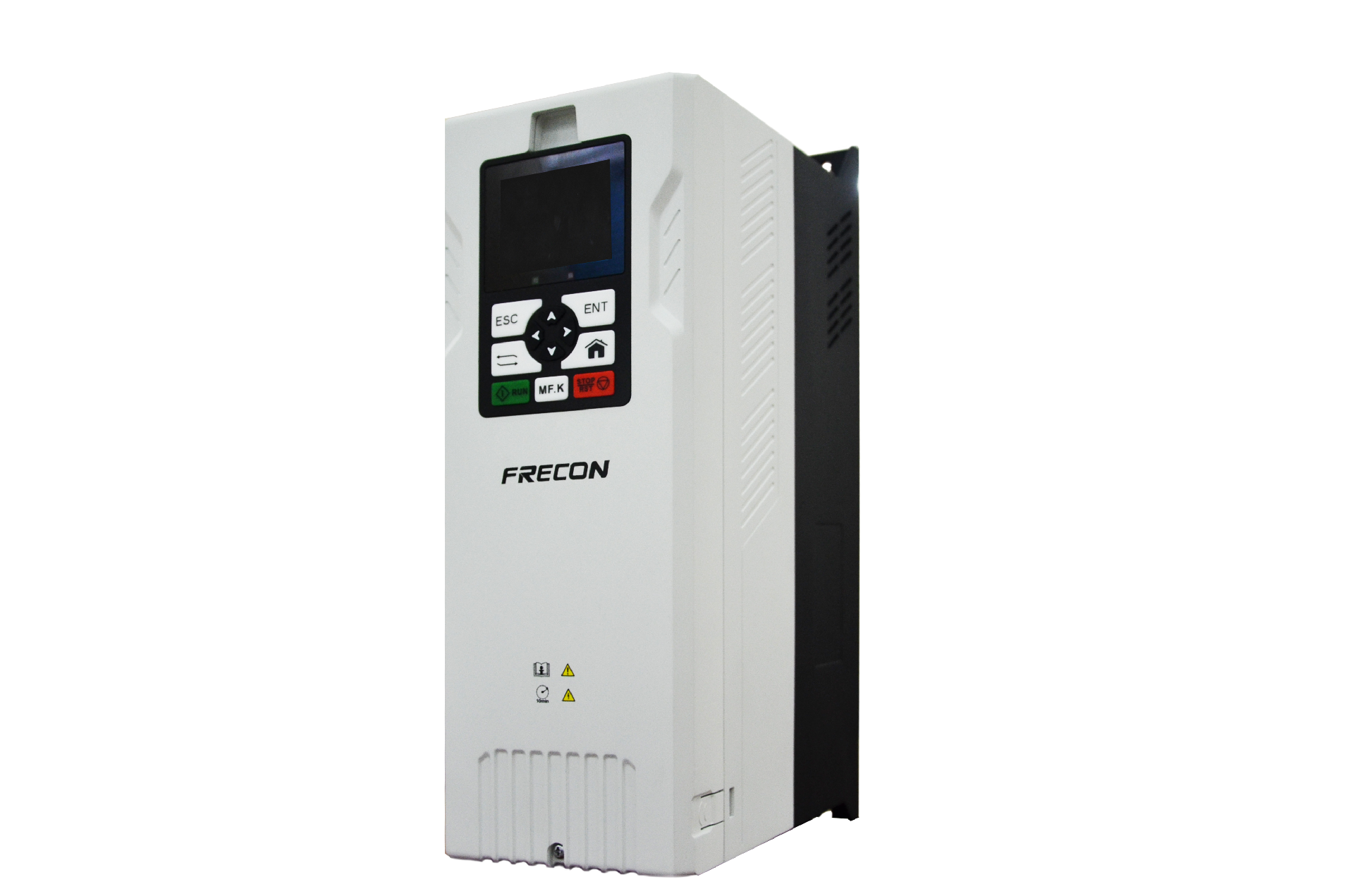
The FR20 Series General Vector Inverter from FRECON represents an approach that combines compact design with industrial performance. The series is developed with high performance, high quality, and high power density design, making it suitable for applications where installation space and operational reliability are both important considerations.
How FR20 Series Supports Efficient Industrial Integration
A major consideration for modern drive selection is whether the inverter can support safety requirements without adding unnecessary system complexity. The FR20 Series includes a built-in STO function, allowing the drive to stop torque transmission immediately in hazardous situations. This helps prevent accidental motor starts and supports industrial safety system designs.
For system integrators, integrated safety functions can simplify cabinet architecture. By reducing dependence on additional safety components, engineers can create cleaner wiring structures and improve installation efficiency.
Beyond safety, terminal flexibility is another important factor. Different industrial applications often require customized connections for sensors, control signals, and external equipment. The FR20 Series provides flexible and diverse terminal configurations, enabling easier system integration across various industrial setups.
Smart Electric Drive Features Beyond Physical Size
Although compact dimensions are important, a truly effective industrial inverter must deliver comprehensive value throughout its service life. A smart electric drive focuses on improving operational efficiency, reducing commissioning time, and supporting flexible application requirements.
Control performance is one essential factor. General vector control technology allows drives to maintain accurate motor operation under changing loads, supporting applications that require stable speed and torque management.
Ease of integration is another consideration. Engineers often work with strict cabinet size limitations and complex machine requirements. An inverter with flexible terminals, built-in safety functions, and high power density can reduce design challenges while providing greater adaptability.
Therefore, when evaluating whether a book-size STO inverter is suitable for a compact cabinet, businesses should consider the complete system benefits rather than focusing only on dimensions.
Key Factors for Selecting the Right Industrial Inverter
Before choosing an inverter solution, businesses should review several technical aspects. Cabinet compatibility is important, but it should be considered together with safety requirements, motor control performance, environmental conditions, and future expansion needs.
A suitable STO inverter should provide reliable protection while maintaining efficient operation. A compact design should also support convenient installation and maintenance instead of creating additional engineering difficulties.
For machine manufacturers and automation companies, selecting a drive with balanced performance can improve project efficiency. The right solution should help reduce cabinet space, simplify system design, and support long-term equipment reliability.
Building More Efficient Automation Systems with Compact Drive Technology
A book-size inverter can fit into a compact speed control inverter cabinet when its design combines space efficiency with the functions required for modern industrial applications. Physical size is only one part of the evaluation process; safety, flexibility, and control capability are equally important.
With its high power density design, built-in STO function, and flexible terminal configurations, the FR20 Series General Vector Inverter demonstrates how compact drive technology can support industrial automation needs. For businesses looking to optimize cabinet layouts while maintaining reliable motor control, FRECON provides inverter solutions designed for efficient and flexible system integration.