Exploring the Rich Chocolate-Making Traditions of Belgium
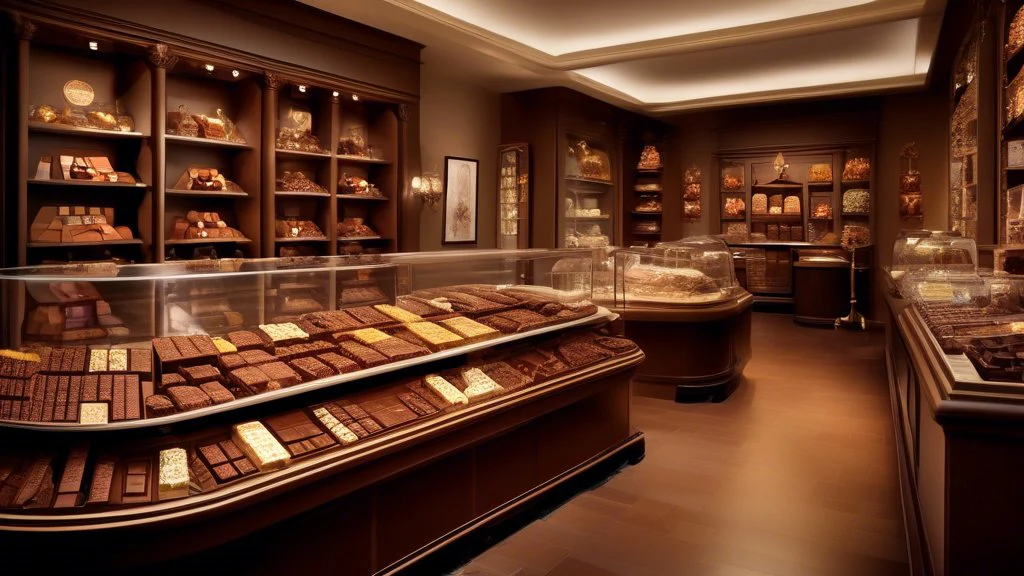

Belgian chocolate is more than gastronomic heritage – it is a global benchmark of excellence. Within the saturated confectionery market, the Belgian chocolate brand achieves premium shelf space through strict quality control, heritage craftsmanship, and decades of brand consistency.
For internet food retailers, Belgian chocolate is a tried and tested number one seller. When individuals see the country of origin on a packet, especially from well-known companies, they instantly associate it with luxury, quality, and dependability.
Historical Roots of Belgian Chocolate Excellence
Belgian chocolate history goes back to the 19th century, when advancements in processing cacao came in tandem with Belgium’s link to high-quality cacao via its colonial trading. Belgium’s position geographically within Europe and its gastronomic culture made innovation an ideal match.
Jean Neuhaus’s invention of the praline in 1912 revolutionized chocolate, turning it into an agent for compound flavors and fillings as much as a plain sweet. This marked the start of Belgium’s reputation as a nation that turned the making of chocolate into an art form.
Business-wise, the depth of history gives Belgian manufacturers a robust narrative. High-quality products leverage this heritage to position themselves not just as chocolate but as a symbol of tradition and quality.
The Craftsmanship Behind the Name
Belgian chocolate’s strength lies in its adherence to precise, time-tested techniques:
- High Cocoa Content: Belgian law requires a minimum cocoa content, ensuring richer flavour and avoiding overly sweet formulations.
- Extended Conching: Chocolatiers mix and aerate the chocolate for hours to refine texture and develop complex flavour notes.
- Fresh Fillings: Pralines and truffles are produced in small batches to maintain freshness – a commitment that adds operational complexity but enhances brand value.
Even in large-scale production, premium Belgian brands maintain these principles. This balance of tradition with scalability is one reason Belgian chocolate dominates the premium confectionery sector online.
Signature Products That Define a Category
Belgium’s most famous contribution is the praline, a thin chocolate shell filled with ganache, nut pastes, or fruit creams. The truffle, with its soft ganache centre and dusting of cocoa powder, is another hallmark. Brands also excel at producing chocolate bars with distinctive flavour profiles – such as intense dark chocolate with whole hazelnuts – that appeal to both everyday indulgence and gift markets.
In online retail, these products perform well in both individual purchase and gifting categories. High-quality packaging design further strengthens their digital shelf appeal.
Belgian Chocolate in the E-Commerce Landscape
Selling Belgian chocolate online requires attention to both storytelling and logistics:
- Storytelling: Product descriptions often highlight the region of production, the cocoa origin, and the artisanal methods used.
- Imagery: High-resolution images showing texture, cross-sections, and luxury packaging can significantly influence purchase decisions.
- Logistics: Temperature-controlled shipping or insulated packaging is critical to maintaining quality during transit, especially in warmer climates.
For example, an online retailer offering Belgian Chocolate can increase conversion rates by bundling products into curated collections accompanied by tasting guides and producer histories.
Sustainability as a Market Necessity
Today’s consumers – especially in premium segments – expect ethical sourcing. Many Belgian chocolatiers now prioritise:
- Fair-Trade Certification to ensure farmers receive equitable pay.
- Direct Sourcing Models that cut intermediaries and build relationships with cocoa producers.
- Sustainable Packaging, such as recyclable or compostable wrappers.
Highlighting these practices in online product descriptions builds trust and aligns with broader consumer values, which can justify premium pricing.
The Brand Power
Founded in 1883, Côte d’Or has built an image of robustness and authenticity, symbolised by its elephant logo – a nod to cocoa’s African origins. The brand’s ability to modernise without losing its core identity is a case study in maintaining relevance over more than a century.
For online retailers, stocking a globally recognised brand alongside smaller artisanal producers can create a balanced chocolate assortment that appeals to both loyal brand followers and adventurous buyers.
Business Takeaways for Retailers
- Curate with Variety: Combine iconic Belgian brands with niche artisanal chocolatiers.
- Tell the Production Story: Consumers in premium categories want transparency and craft details.
- Consider Gifting: Belgian chocolate’s packaging and heritage make it ideal for seasonal promotions.
- Protect Quality in Transit: Invest in insulated packaging and climate-controlled shipping during warm months.
Tradition That Delivers Commercial Value
Belgium’s chocolate-making heritage is a blend of artistry, technical precision, and strategic branding. For online retailers, leveraging famous names offers instant credibility and taps into a global demand for high-quality indulgence. In a digital marketplace where authenticity is a currency, Belgian chocolate remains one of the most bankable assets.