What You Need to Know About Casino Cultures in the Philippines
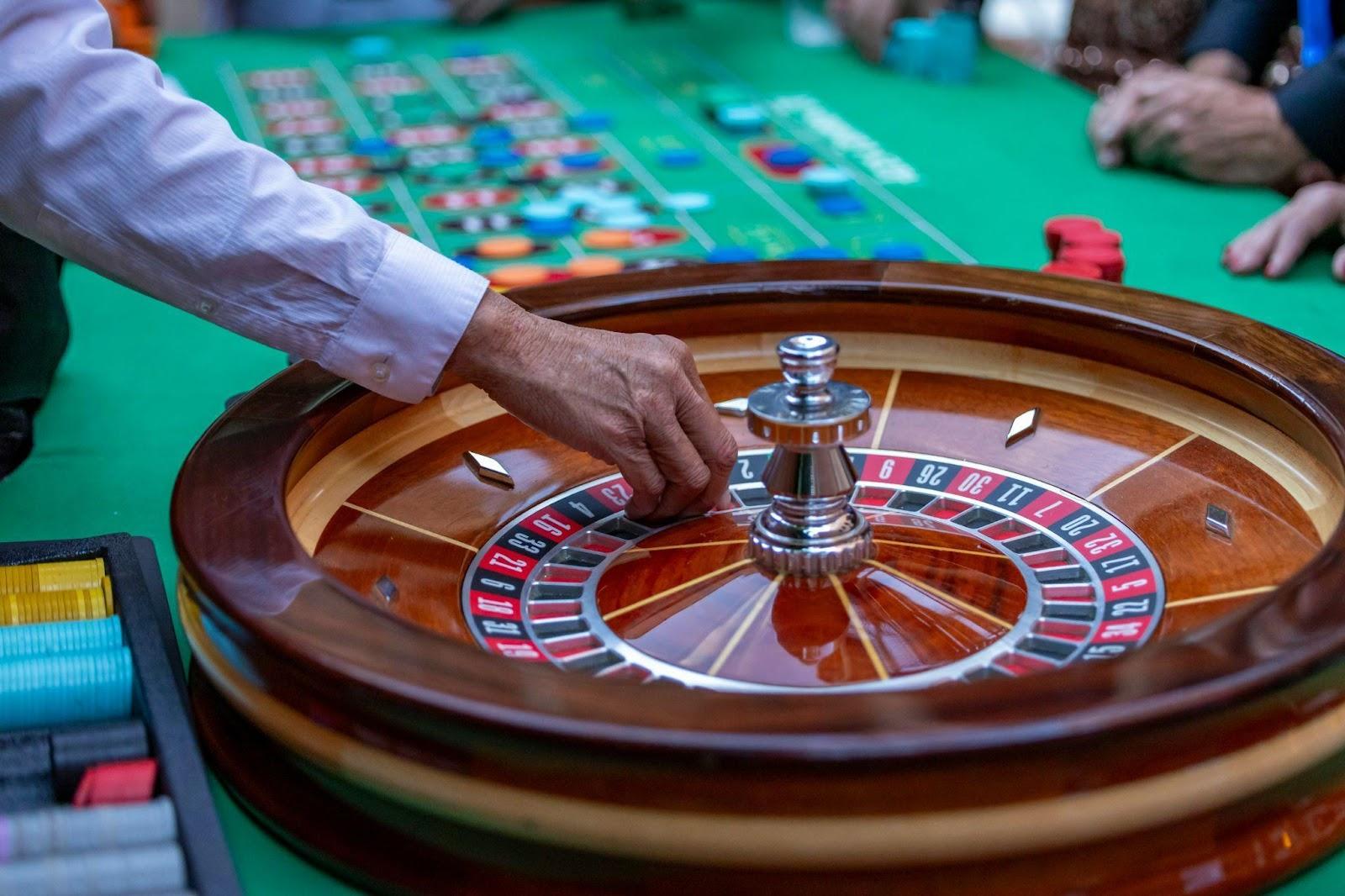
Some countries frown at casino gaming, while others accept it with open arms. Given the attendant risks, the government has in recent years put measures in place to help the players stay safe.
In the Philippines, the casino industry has been on an increasing trend, pulling in more revenues for operators. In this article, you’ll learn more about the casino culture in the Philippines.
The History of Casino Gaming in the Philippines
The Philippines have always been a major spot for gaming and gambling, with the game of Panging being one of the most-popular during the pre-colonial era. The card game has since survived through it all and is still played today, highlighting the societal and ritual purposes of gaming.
The Casino Gaming Attitude in the Philippines
Following the post-colonial era, the country has since picked up the casino culture, and put in more intentional efforts to make it better.
One of such moves is legislation to help make casino gaming in general attractive and less risky for all concerned parties. In 2017, the country saw the signing of Executive Order No. 13, which opened up online gaming. This further extended the casino culture in Philippines, allowing more Filipinos to play and gamble at selected offshore providers.
Regulatory Agencies and Their Duties
Maintaining the casino gaming activity in the Philippines can be hectic, given that the number of active players is expected to be up to 52 million by 2023. Statista would add that the industry will have a user penetration of 40.2% in 2025 and a projected revenue of $4.28 billion in the same year.
PAGCOR
Philippine Amusement and Gaming Corporation (PAGCOR) is the primary regulator of casino gaming activities in the country. The agency is in-charge of:
- Authorizing the operation of casinos.
- Issuing licenses to the operators.
- Controlling the financial activities, not limited to generating revenue.
PAGCOR also aims to dominate the Asia-Pacific region, by offering comprehensive and proactive solutions that’d enhance the integrity of the gaming industry.

PAGCOR continues to kick against illegal gambling and had recently announced plans to go against influencers who use their content and platforms to encourage the same.
According to Alejandro Tengco, the Chairman and CEO of the agency, “Illegal gambling operators undermine our laws, exploit our people, and put our communities at risk.”
PAGCOR is also responsible for regulating all games of chance. Through the Electronic Gaming Licensing Department (EGLD), it oversees local casino gaming activities ranging from online poker games, bingo games, specialty games and sports betting.
Other regulatory bodies and their roles are tabulated below:
| Games and Amusement Board | This agency is responsible for regulating the operators offering sports betting services to Filipinos. |
| PHILRACOM | This agency takes charge of the horse racing market in the country. |
| Philippine Charity Sweepstakes Office | Also called the PCSO, this agency oversees the sweepstakes and lottery gaming markets in the Philippines. |
Casino Gaming Projection in the Philippines
The Philippines is one of the top markets for casino gaming. From the heydays of Panging, it’s evident that gaming and gambling is an integral part of its society. Little wonder it emerged the biggest gambling country in the Asian region, according to a report published by Insider Monkey in 2024.
One of the top drivers of the growth and adoption of casino gaming, especially online gaming, is the proliferation of online casino games. With smartphones, Filipinos can readily access, play and wager on favourite games. Statista would lend credence to that by pointing out that an average Filipino online gamer spends at least two hours per session per day. It also goes on to add that:
- Filipino gamers are invested in role-playing games like Fortnite, League of Legends, DOTA 2 and Call of Duty.
- The mobile-first gaming market in the country is further advanced by eSports.
- Online gaming is fast transforming from a pastime activity to a professional career for some.
The mobile casino gaming market in the Philippines is set for more decline, as PAGCOR aims to delink more online gambling platforms from electronic wallets.
The AVP of the agency’s Offshore Gaming Licensing Department, Jessa Fernandez says, “Now that we are implementing initial minimum deposit, we have also felt no more players or patrons are refusing to continue playing with legal online gaming operators. So I think, sir, it will have an impact also because some of the players deposit or top up within P100 to P500.”
Final Words
Casino gaming is an engraved thing in the blood of an average Filipino. And with mobile-first technology with a range of options like Massively Multiplayer Online Role-Playing Games (MMORPGs), the Philippines is set to have one of the biggest revenue-generating casino gaming markets in the world.