How Film Production Brings Creative Stories To Life
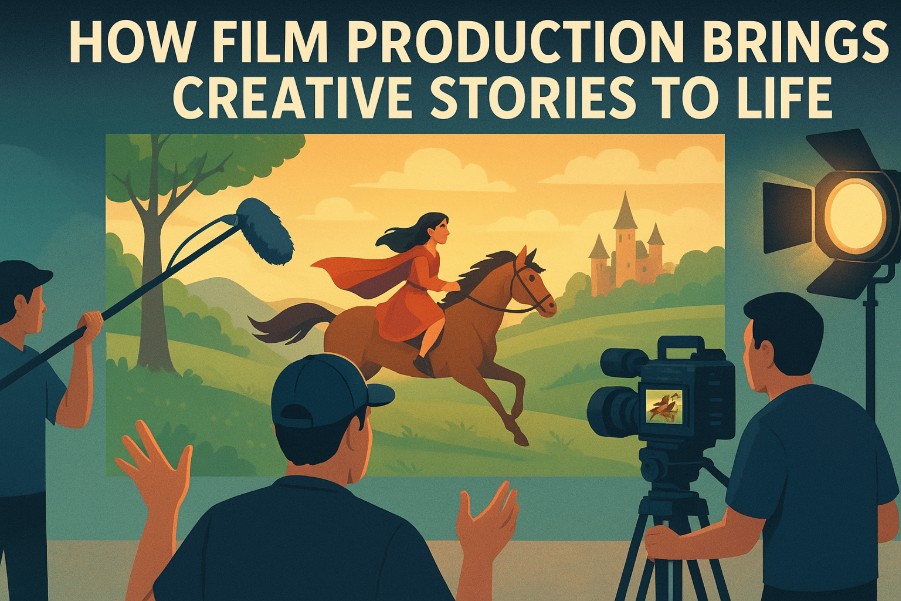
 Have you ever seen a film so captivating that you were speechless and reflected deeply on its narrative?
Each visual element is the result of teamwork, creativity, and a profound amount of artistry and technology. Every shot you take is meticulously crafted through strenuous effort in a collaboration of creativity, be it through a stream in the comfort of your sofa or the awe of a theater.
The storyline begins the moment the script starts to develop, and the attention to detail is so profound that almost every person in the world will relate to it.
There is so much more that goes into it, and it is not as simple as the phrase most people use of “lights, camera, action.”
If you are intrigued by how your favorite movies and the ingenious ideas behind them are visualized, continue reading as we delve into the captivating journey of how cinematic concepts evolve.
1. Through Compelling Storytelling

Movies cannot have impactful moments without filmmaking, which is about shaping ideas into stories that anyone can hold and hear.
This process begins well before the cameras start rolling, as a result of brainstorming sessions, writing, and idea development. Producers and writers collaborate to create the best possible story on screen.
After the script is complete, directors intervene to bring scenes to life, and casting directors search for the ideal actors to bring characters to life.
Film production also involves constructing the setting in which the action takes place. From set and costume design to scouting locations in the real world, every detail adds up to a setting that feels authentic. Without this as a foundation, even the greatest scripts could fail.
With a combination of creativity and planning, production crews ensure that the story doesn’t simply stay on paper but comes to life on screen. This phase sets the tone for the rest of it and creates the conditions for cinematic magic.
2. With The Power of Teamwork
Movies have solo stars, but movie-making is unequivocally a collective work. The director, cinematographer, sound artists, makeup artists, and editors all play crucial roles in making the film.
Cooperation ensures that all the parts, be it visual or auditory, fall into place as the project has envisioned. Without cooperation, the best ideas would never emerge from the shadows.
Production is where communication is the heart of the project. Directors count on cinematographers to bring their vision to fruition through lenses, set designers and costume designers to create visual authenticity, and sound technicians to capture clean dialogue and environmental sounds to finish the experience off. Every decision, large and small, is what ultimately makes the final story.
This union not only streamlines the process, but also enriches the end product. When creative minds collaborate, they elevate the story to a higher plane, making it a compelling experience that resonates with people everywhere across the world.
3. By Visual Storytelling Through Cinematography

Cinematography is where words turn to visual poetry. By controlling light, camera position, and movement, cinematographers create mood and atmosphere for a movie.
A single shot can convey an emotion that words cannot express, as vulnerability is heightened in a close-up or grandeur is built in a sweeping landscape shot. Color scheme, frame arrangement, and shadows can all subtly influence the audience’s emotions along the way.
It is all on purpose, never by chance. The directors and cinematographers work together to create a style that will uphold the narrative.
Furthermore, handheld scenes, for instance, may be employed to create closeness and tension, whereas wide, stable shots create stability and calmness. In directing what is viewed by the audience and how they view it, the cinematographers ensure that the narrative is not merely presented but felt.
Overall, cinematography brings the written script to life as a dynamic canvas, allowing the viewer to connect with the narrative on a perceptual level.
4. By Mastering The Art of Post-Production
The moment the cameras roll, the actual magic takes place during post-production. Raw footage is cut and shaped here into a cohesive piece of art that engages audiences.
An editor pieces the scenes together with care, selecting the most suitable takes and defining the rhythm of the story. They decide when a pause hangs suspended just long enough to create tension or a quick cut dispenses thrills.
Sound design is yet another level, where inputting dialogue, effects, and background music brings emotional depth. Visual effects, ranging from suggestive textures to extreme CGI, elevate the story to new heights.
Color grading is also very important in setting a mood; warm colors evoke nostalgia, while cool colors are often used for tense roles.
Although these features receive little attention, they are crucial in terms of how the audience perceives the content and whether the tone remains consistent throughout. Post-production isn’t just a polishing of an account; it’s the ending. Without this step, films would feel rough, with beats in the wrong place and devoid of emotion on the big screen.
5. By Leaving a Lasting Impact on Audiences
When all elements come together, a film becomes more than entertainment; it becomes an experience that lingers long after the credits roll.
Great storytelling sparks reflection, conversation, and even shapes culture. Characters become icons, while unforgettable lines become part of everyday language.
Beyond thrills or laughter, films connect people across backgrounds, offering shared emotions that inspire empathy and understanding.
Whether it’s a blockbuster or a quiet indie, the influence is undeniable. That lasting connection makes the journey worthwhile, moving hearts, igniting imagination, and keeping stories alive.
Conclusion
By watching a film, you step into a world built from imagination, teamwork, and dedication. Every detail, from the script to the final cut, is designed to immerse you in a story that feels alive.
You don’t just see characters, you connect with them, feel their struggles, and celebrate their triumphs.
That’s why movies leave you inspired, thoughtful, and forever changed; that’s the undeniable magic of cinema!


