Unlocking the secrets of oil for curly hair
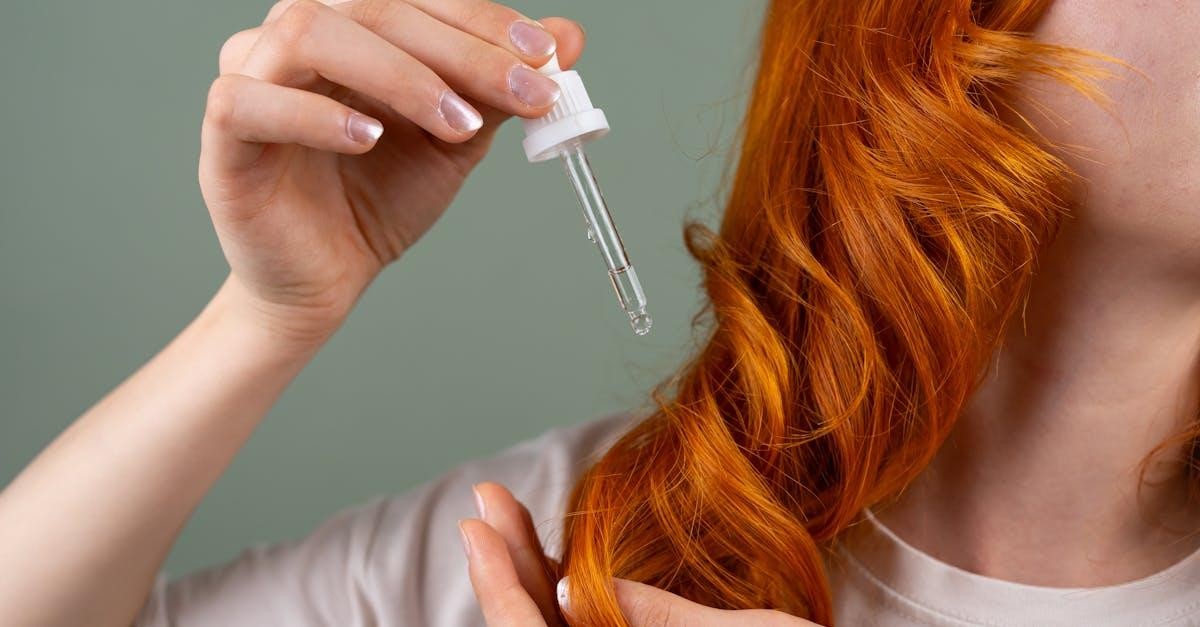
Curly hair, owing to its unique structure, often struggles with dryness and frizz. Understanding the role of oils in managing these challenges is essential for anyone looking to enhance their curls’ health and appearance. Oils penetrate curly hair, working to seal in moisture, combat frizz, and add lustrous shine. Types such as argan, jojoba, coconut, and even lesser-known broccoli seed oil, offer varied benefits. Argan oil, dubbed “gold of the desert,” is filled with fatty acids and vitamin E, making it perfect for nourishing and softening curls. Broccoli seed oil, a natural silicone substitute, provides shine and frizz control without synthetic additives. Key to choosing the right oil is understanding your hair’s porosity—high porosity hair might benefit more from sealing oils, whereas low porosity hair might prefer penetrating oils. By tailoring oil choices to individual hair needs, one can effectively tame brittle, unruly curls for a defined, smooth look.
The benefits of oil for curly hair
Using oil for curly hair offers myriad benefits beyond just moisture retention. Oils act as a protective barrier against environmental aggressors such as UV rays and humidity, which can wreak havoc on moisture-deprived curls. Consistent oil application not only reduces frizz but also enhances curl definition. Oils contain nutrients like linoleic acid, vitamin A and E, and polyphenols, crucial for reinforcing hair strength and elasticity. Consequently, incorporating oil into your hair care routine can significantly enhance hair health, delivering shinier, more manageable curls. Furthermore, of particular note are oils combined with scientific advancements, such as those with patented peptides, offering even greater nourishment and protection.
Effective application techniques for hair oils
Understanding the optimal application methods for oils can maximize their benefits on curly hair. The techniques vary from using oils as pre-shampoo treatments, mixing them with conditioners, or applying them as leave-in products. This flexibility allows tailoring to specific hair needs, whether requiring deep hydration or daily moisture maintenance. For instance, pre-shampoo oiling provides intense hydration, ideal for dry, brittle textures, while lightweight leave-in oils help maintain daily moisture levels without weighing the curls down. Moreover, adjusting the application based on hair porosity is essential—high porosity hair, which absorbs moisture quickly, might benefit from heavier oils like castor, whereas lighter oils, such as argan or coconut, best suit low porosity hair.
Selecting suitable oils based on hair type and porosity
Choosing the right oil involves assessing hair type and porosity. Hair porosity indicates the hair’s ability to absorb and retain moisture, directly impacting oil selection. The float test, a simple home method, can help determine porosity level, guiding the choice between penetrating oils (coconut, avocado) and sealing oils (jojoba, castor). Brands like Olaplex and Moroccanoil offer specialized oils catering to varying needs, from smoothness and shine enhancement to frizz control. Thus, understanding one’s hair characteristics is crucial in selecting the best oil, ensuring the hair receives personalized care and attention.