HPV Genotype Reflex in Cervical Cancer Screening: Benefits for Clinical Laboratories
A positive screening finding may leave an unanswered typing question on the laboratory worklist. The first examination can establish HPV detection without identifying every genotype that contributed to its report.
An HPV genotyping test kit becomes relevant where the applicable pathway calls for that additional detail. The laboratory benefit lies in resolving a defined information gap and retaining the resulting type identities for subsequent assessment, without treating more detailed molecular information as a predetermined clinical outcome.
Identify the Information Still Missing After Screening
Screening output can distinguish selected HPV types while leaving other covered targets represented more broadly. The original report therefore needs to be understood before another examination is assigned. A positive category describes the information that the first method supplied; it does not reveal unnamed individual types simply because the panel covered them.
Planning HPV genotype reflex starts with the particular unresolved question. The service may require an individual type distinction for further assessment under its screening pathway. Defining that question prevents additional testing from becoming a routine repetition of the same broad finding, with no clear explanation of what the later report is expected to add.
An HPV genotyping test kit needs an output that addresses the missing distinction. The relevant requirement is type-level information supported by the assay, together with an accepted material through which it can be obtained. Genotype detail remains molecular evidence, not an independent finding that establishes a cervical lesion or determines its severity.
Place the Additional Examination Within a Defined Reflex Arrangement
A reflex arrangement connects an initial finding with an additional examination through a predefined rule. That rule belongs to the applicable clinical and laboratory pathway. It states which original findings require further information and what examination supplies it, leaving the laboratory with an identifiable testing assignment rather than an automatic response to any positive label.
The assignment also needs the original method and report to remain accessible. Retaining the initiating finding explains why the added work was performed and which information gap it was intended to resolve.
Operational use does not establish a universal clinical indication. Local pathways determine whether additional typing is appropriate and how its findings enter further assessment. Neither the existence of a genotyping reagent nor the ability to request another analysis requires every positive screening specimen to undergo the same follow-up examination.
Use Individual Genotype Results to Answer the Added Question
Type-specific fields make an additional examination useful when they answer the question left open by screening. An individual result can identify a covered genotype that was not separately named in the initial report. The interpretation still depends on the method’s actual coverage, rather than on an assumption that every possible HPV type has been investigated.
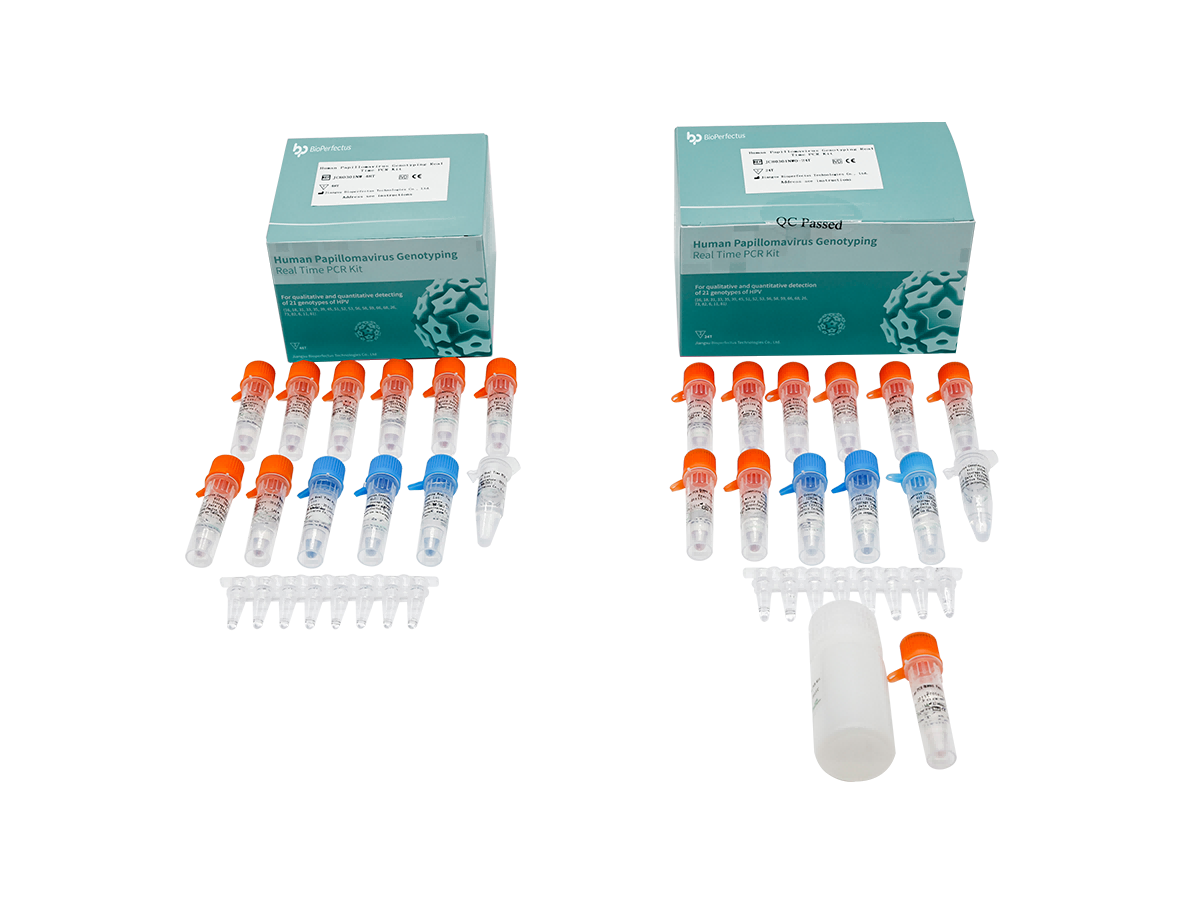
A genotype-by-genotype result set defines the BioPerfectus Human Papillomavirus Genotyping Real-Time PCR Kit, which individually reports 21 covered types. Its qualitative output supports further assessment after a positive HPV screening result. The stated purpose concerns additional type information, without turning the report into a quantitative viral-load measurement or a prediction of a person’s eventual clinical outcome.
In an HPV genotype reflex arrangement, the laboratory can relate each added field to the initiating report. A newly named genotype supplies a specific analytical distinction; an unsupported genotype remains outside the assay’s claim. The added examination becomes interpretable through that relationship between the original question, covered targets and resulting type assignments.
Preserve Specimen Eligibility When Work Moves to the Next Method
An accepted screening specimen does not automatically establish a suitable input for every subsequent examination. The later method has its own specimen and preparation conditions. Availability of stored material therefore raises a practical eligibility question before additional analysis is scheduled, including the material’s identity and the conditions relevant to its proposed use.
For ThinPrep or BD SurePath cytology specimens, the BioPerfectus genotyping assay requires its applicable extraction configuration; cervical exfoliated cells and cervical swabs are also accepted for this additional examination. A laboratory cannot infer that the preparation used for an earlier screen is interchangeable with the required arrangement for the additional assay.
Specimen and preparation identifiers connect the additional examination with the original request. Any qualification affecting the available material remains part of that connection. A reviewer can then establish which material supported the genotype finding and whether an unresolved handling issue needs attention before the additional examination is interpreted.
Make Longitudinal Comparisons Through Identified Genotype Findings
Type identities allow a later molecular finding to be compared with an earlier named finding. Such a comparison needs the examinations, covered targets and reported interpretations to be understood together. A broad grouped result from one method cannot supply the same type-specific history as an individually identified result simply because both examinations concern HPV.
The BioPerfectus product supports comparison of genotype findings over time to assess repeated detection. An HPV genotyping test kit used for that task contributes defined molecular observations to the record. Interpretation of HPV genotype reflex findings retains the distinction between a repeated type finding and unsupported conclusions about infection timing, transmission source or the need for a particular intervention.
Greater reporting resolution can make the added laboratory question and its answer easier to follow. That benefit depends on preserving the initiating finding, accepted material and identity of each reported genotype. The resulting follow-up record states what additional viral information was obtained while leaving subsequent clinical action within the applicable screening pathway.