Getting More Distance from Every Tank: Driving Practices That Improve Coach Fuel Economy
Fuel costs can change the economics of a long-distance coach operation, especially on routes with high annual mileage and demanding schedules. Although engine technology and vehicle design influence consumption, daily driving habits also have a measurable effect. Harsh acceleration, unnecessary idling, poor gear selection, and inconsistent cruising speeds can increase fuel use without improving journey times.
For operators comparing coach bus manufacturers, driver training and operational procedures deserve as much attention as the vehicle’s technical specifications. Yutong Bus produces coaches for long-distance and tourism services, where efficient driving can help control operating expenses over years of regular use.
Understanding the Factors That Influence Fuel Consumption
A coach’s fuel consumption reflects several interacting conditions. Vehicle mass, engine characteristics, transmission settings, tire resistance, aerodynamic drag, and road gradients all affect the energy required to maintain motion. Passenger numbers and luggage weight also matter: a fully occupied coach generally requires more energy to accelerate and climb than the same vehicle carrying fewer people.
Road conditions can change fuel demand throughout a single journey. Stop-start traffic increases acceleration losses, while steep gradients require greater engine output. On highways, aerodynamic resistance becomes increasingly significant as speed rises. Even a modest increase in cruising speed can produce a noticeable rise in fuel consumption because air resistance grows rapidly with vehicle speed.
Weather and road surfaces introduce further variation. Strong headwinds increase resistance, while rain, standing water, and rough pavement can raise rolling resistance. Drivers cannot control every external factor, but understanding their influence helps explain why fuel records from different journeys should be compared under similar conditions.
Driving Techniques That Reduce Unnecessary Fuel Use
Smooth acceleration is one of the most practical ways to improve efficiency. Pressing the accelerator aggressively demands more engine power and can cause unnecessary fuel consumption, particularly in urban traffic or after stops. Gradual acceleration allows the vehicle to build speed more steadily while maintaining a comfortable experience for passengers.
Cruising at a consistent, appropriate speed also helps. Repeated speed changes require additional acceleration, while excessive highway speed increases aerodynamic drag. Drivers should follow road regulations and traffic conditions rather than maintaining a fixed speed regardless of circumstances. Predictive driving, such as easing off the accelerator before a visible slowdown, can reduce unnecessary braking and subsequent acceleration.
Idling deserves attention during passenger waiting periods and scheduled breaks. Leaving an engine running without operational need consumes fuel without covering distance. Operators can establish clear idling policies that account for passenger comfort, weather, safety, and vehicle requirements. Such guidance should distinguish unnecessary idling from situations where engine operation is needed for legitimate reasons.
Maintenance Practices That Support Consistent Mileage
Driving technique cannot compensate for a poorly maintained vehicle. Tire pressure is a useful starting point because underinflated tires increase rolling resistance and may also affect handling and tire life. Pressure checks should follow the vehicle manufacturer’s recommendations and account for operating load, rather than relying on a generic figure.
Air filters, fuel systems, engine oil, cooling components, and transmission condition can also influence efficiency. Restricted airflow or an engine operating outside its intended condition may increase fuel demand. Scheduled inspections help identify developing problems before they affect vehicle performance or cause unplanned downtime.
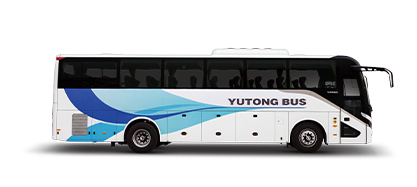
The C11 (ZK6117H) is an 11-metre luxury long-distance and tourism coach with 51 seats. Its capacity and intended use make passenger load and luggage weight relevant considerations when operators assess fuel consumption across different journeys. Actual mileage will still depend on route profile, vehicle condition, driving behavior, and operating environment.
Using Fleet Data to Improve Driver Performance
Fuel records become more useful when they are connected with route and vehicle information. Operators can monitor consumption per 100 kilometers, compare similar routes, and review differences between vehicles operating under comparable conditions. A sudden increase may indicate changes in traffic, tire pressure, maintenance condition, driving habits, or fuel quality.
Driver feedback should be based on measurable patterns rather than isolated results. A coach travelling through mountainous terrain should not be compared directly with one running on a flat highway. Fair assessment takes account of passenger occupancy, weather, average speed, traffic delays, and the number of stops along the route.
Training programs can turn this information into practical improvements. Drivers may benefit from instruction on smooth acceleration, engine braking, gear selection, speed management, and pre-trip checks. Fleet managers can then review fuel data over time to see whether these practices are producing consistent results. For coach bus manufacturers, vehicle performance is only one part of the efficiency picture; the way a fleet is operated also shapes its real-world fuel economy.
Conclusion
Better mileage rarely comes from one adjustment alone. It develops through a combination of sensible speed management, smooth driving, correct tire pressure, preventive maintenance, and careful review of operating data. By accounting for route difficulty and passenger loads, fleet managers can set realistic fuel targets and identify where further improvements are possible.
Yutong Bus provides coaches for long-distance and tourism operations, while disciplined driving practices help operators make more effective use of their vehicles. A thoughtful approach to vehicle selection and driver development allows coach bus manufacturers and fleet operators to address fuel efficiency as a shared operational concern.


