VR Franchise: How to Start a Virtual Reality Business
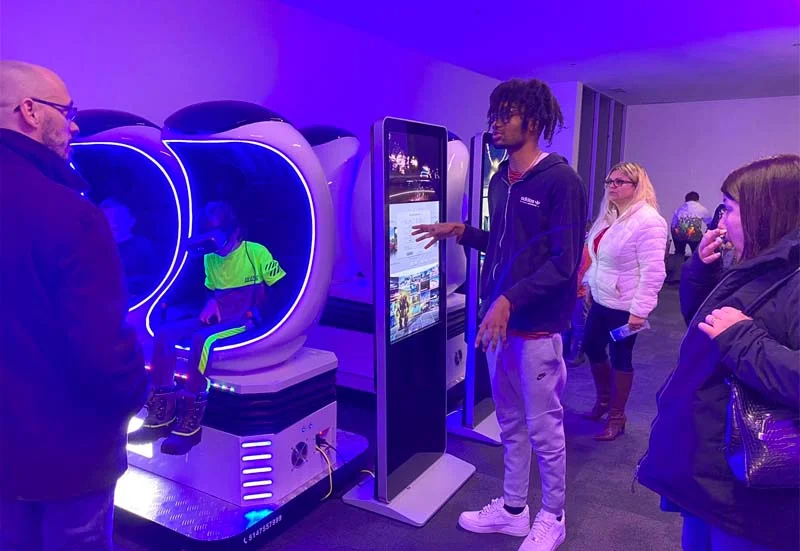
A VR franchise is a ready-made business model in the virtual reality industry that allows entrepreneurs to enter the market with reduced risks. Today, virtual reality is used not only for gaming but also for family entertainment, corporate events, education, and interactive experiences, making the VR sector stable and promising.
The franchise format is especially suitable for those who want to launch a VR business quickly, relying on proven technologies, content, and professional support.
What Is a VR Franchise?
A VR franchise is a turnkey business model in which a brand owner grants a partner the right to operate under its brand and use an established ecosystem. This typically includes VR equipment, software solutions, licensed content, staff training, and operational guidelines.
Instead of starting from scratch, franchise partners receive a tested business framework that simplifies management and reduces entry barriers.
An example of a comprehensive B2B solution for launching and scaling VR venues is the platform https://b2b.anvio.com, designed for flexible and scalable virtual reality projects.
How Much Does It Cost to Open a VR Franchise?
The cost of launching a VR franchise depends on the chosen format, the number of VR stations, and the level of technical equipment. Investments can range from compact solutions for small locations to full-scale VR clubs and virtual reality parks.
Typical cost components include:
- the right to use the brand and technology;
- VR equipment and software;
- venue preparation and interior design;
- marketing at the launch stage;
- staff training.
Many franchise providers offer multiple configuration options, allowing the business model to be adapted to different markets and budgets.
What Affects the Price of a VR Franchise?
The final price of a VR franchise is influenced by several key factors:
Project formatSmaller VR zones require fewer resources, while large-scale clubs and VR parks involve more complex setups.
Content and technologyExclusive multiplayer experiences, regular updates, and proprietary developments significantly increase the value of a franchise.
Level of supportThe broader the franchisor’s involvement — including marketing, analytics, and technical assistance — the more comprehensive the offering becomes.
Launch locationRegional market conditions, foot traffic, and audience characteristics also affect the overall investment level.
Solutions such as https://b2b.anvio.com are designed to adapt VR business formats to different regions and operational goals.
VR Franchise Formats
The VR franchise market includes a variety of formats, from compact VR zones to full-scale entertainment venues. These may include small installations, classic VR clubs, or large immersive spaces with multiple gameplay scenarios.
Choosing the right format depends on available space, target audience, city size, and long-term growth strategy. It is important to consider not only initial investments but also scalability and future expansion.
Frequently Asked Questions (FAQ)
How long does it take to launch a VR franchise?The launch timeline depends on the selected format and venue readiness, but the franchise model significantly accelerates the process.
Do I need prior experience in VR or IT?In most cases, no. Franchisors typically provide full training and operational support.
Can a VR business operate year-round?Yes. In addition to individual visitors, VR venues often work with corporate clients, schools, and event organizers.
Is a VR franchise suitable for smaller cities?With the right format and location, a VR franchise can operate successfully even in cities with a relatively small population.


