What To Do After An Uber Accident And When To Call A Lawyer
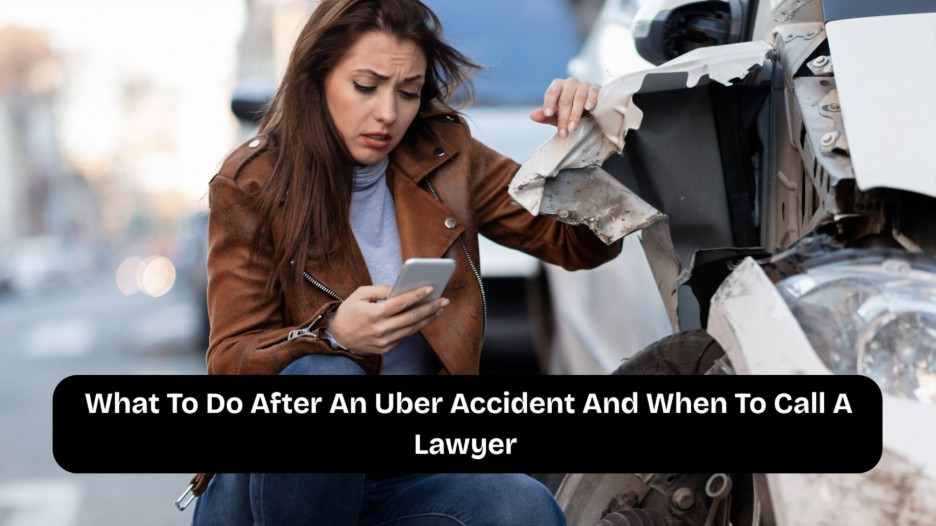
An Uber accident may result in immediate physical damage and complex legal and insurance issues. The people involved get lost in matters of accountability, paperwork, and remuneration.
Delays in claims, loss of compensation, or legal problems may result from hesitation or missteps. The immediate response to an accident, with clear, set actions, improves safety, preserves vital evidence, and upholds the rights of the law.
This article outlines the key actions a person should take after an Uber accident and identifies the circumstances under which it is reasonable to seek a lawyer’s services.
1. Ensure Safety and Seek Immediate Medical Attention
The ultimate priority following the Uber accident is safety. Every person on the premises should relocate to a safe place, if possible.
In the meantime, health care providers should promptly evaluate anyone who may be injured and provide medical care. One should remain calm and follow any emergency measures to avoid further damage.
Even minor injuries may become severe if not treated promptly, and immediate examination is vital. Medical records are used to document injuries to support claims.
Consulting an Uber accident lawyer as soon as possible can offer advice on preserving medical evidence and ensuring it underpins possible legal or insurance claims. The focus on safety and medical care helps prevent complications that can result from inattention.
2. Report Accident to Authorities and Uber

An official report on the accident is written when law enforcement is notified. These are police reports, which provide a clear description of what happened and are usually needed by insurance companies if the person asserts a claim.
The incident should also be reported via the Uber app to make the company record the accident in its safety system. Reporting to authorities and to Uber minimizes liability wrangles and provides documents that can be verified in insurance or criminal cases.
3. Collect Evidence Immediately
Claims are strongly supported by evidence gathered at the scene of the accident. Traffic lights, skid marks, property damage, and injuries, captured in photographs of vehicles and license plates, make up a detailed visual record.
Contact information and the names of witnesses serve as corroborating evidence in the event of disagreement. Any claim is further supported by a written record of the time, place of action, weather, and order of events.
Proper and effective evidence gathering is usually the difference between claims being resolved effectively and being delayed. The claim is also supported by video recordings and voice notes, presented as digital documentation.
Physically and digitally ensuring that all evidence is stored in a secure place prevents it from being lost during insurance investigations or a lawsuit. Regular order and visibility in the evidence-gathering streamlines the claims process and establishes credibility, making it reliable and time-efficient.
4. Avoid Early Discussions or Criticism

Statements made immediately after an accident complicate claims. Confessions of guilt, apologies, or speculations may have adverse effects on legal or insurance matters.
It is essential to limit communication with law enforcement and insurance representatives to only stating facts. Professional advice should be used on matters relating to liability or settlements.
Restraint preserves the rights of the law and prevents individuals from making premature decisions about taking responsibility. Even informal discussions with other parties involved in the accident may lead to misunderstandings or contradictory stories.
It is important to avoid communicating with drivers, passengers, or bystanders about the incident beyond what is necessary to provide the required factual information. There should be a professional, measured approach to ensure that whatever is being stated is presented consistently and reliably, which enhances any future insurance claim or lawsuit.
5. Notify Insurance and Understand Coverage
Personal auto insurance needs to be notified promptly. Uber offers insurance based on the situation, but it is essential to understand how individual and Uber policies coordinate.
There are intricate provisions of insurance policies. Errors in reporting or documentation may diminish eligibility for compensation. A close examination of coverage would give due consideration to medical costs, loss of earnings, and property damage.
Personal insurance and the Uber coordination policy should be aligned on time limits, evidence presentation, and policy conditions.
6. Determine When Legal Consultation Is Necessary
Not every Uber accident requires the services of an attorney, but some circumstances warrant consultation. The presence of severe injuries, contested liability, property damage, and late or lost insurance payments indicates that the case requires professional help.
Legal assistance protects the rights of the claimant, helps prevent errors, and ensures that claims are promptly and adequately considered. Early consultation enhances overall management of complex cases.
A lawyer has the opportunity to consider all possible alternatives, recommend the optimal course of action, and even negotiate or resolve the case on behalf of the claimant, ensuring that damages and losses are properly reimbursed.
Final Thoughts
Uber accidents cause serious problems beyond bodily harm. The post-disaster response needs a tactical approach grounded in safety, documentation, and legal awareness.
A structured, planned approach, including seeking immediate medical care, accurately reporting the case, collecting the facts, and being familiar with the insurance policy and requirements, provides a solid foundation for safeguarding rights and securing compensation.
The effectiveness of these measures can be strengthened with professional guidance, especially in situations involving severe injuries, disputed liability, or complex insurance issues.
Hiring a skilled lawyer ensures that every step is taken in accordance with legal and insurance requirements, minimizing risks and facilitating a swift solution. Finally, cautious steps taken after an accident promote health and legal protection, and fair outcomes in a complex, frequently stressful scenario.