Reactive Slot Features: Games That Adjust Bonus Frequency to Player Behaviour

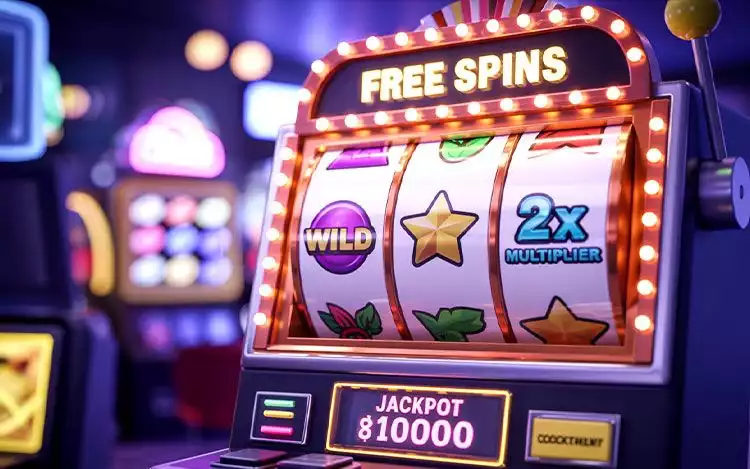
For years, players have debated whether slots “react” to individual behaviour. Some claim the game becomes colder after raising the bet, while others feel the slot gets lively again after a long break. In 2026, the conversation became more complex as developers introduced reactive design elements – features that adapt presentation, pacing, or engagement style depending on how players interact with the game. These systems cannot legally change RTP in regulated markets, but they can influence the tone and rhythm of gameplay in ways that feel personalised.
Why Slot Developers Are Adding Reactive Elements
Modern players at WinPlace UK expect more than static reels and fixed gameplay patterns. They are used to mobile apps, social games, and streaming platforms that adjust dynamically to their preferences. Slot developers are now borrowing these ideas to keep players engaged without breaking strict gambling regulations. Instead of modifying payout odds, reactive design changes interfaces, highlight animations, bonus cues, and engagement triggers based on how a player interacts with the slot.
This approach gives games a more responsive personality. It makes sessions feel less repetitive, even though the underlying mathematics remain unchanged.
What Reactive Slots Are Designed to Achieve
They aim to increase engagement through pacing adjustments, not to influence actual outcomes. A slot may appear more dramatic or energetic based on the intensity of the session, but the RNG behind it stays the same.
How Reactive Systems Adjust Gameplay Flow
Developers use behavioural signals – session length, betting style, bonus choices, and interaction speed – to shape how the slot presents information. Animation pacing, frequency of visual cues, and bonus introduction styles may shift to maintain engagement. These adjustments happen in the user interface layer, not in the payout layer, which ensures compliance with regulated markets.
Before exploring specific reactive features, it is important to understand that these changes affect only presentation, not the probability of landing features or winning spins.
Examples of Reactive Presentation Features
- Faster reel stops when the player taps rapidly
- More dramatic animations during high-bet sessions
- Enhanced sound cues after long streaks
- Bonus-intro sequences that vary based on user choices
- Temporary visual effects that highlight streaks or milestones
- HUD elements that appear only in extended sessions
The slot feels different without altering fairness.
Why Players Often Believe Reactive Features Affect Payouts
Reactive presentation can create the illusion of changing difficulty. When the game responds visually or dramatically to certain behaviours, players may assume the underlying math has shifted. But regulated slots operate on certified RNGs that cannot adapt returns based on behaviour. Instead, players misinterpret visual cues as payout signals.
Before diving into common misconceptions, remember that volatility clusters and streaks occur naturally – reactive design only changes how they look, not how they occur.
Why Perception and Reality Often Conflict
- Atmospheric changes feel linked to luck
- Faster animations mirror moments of risk-taking
- Dramatic cues during high bets feel like hints
- Visual complexity disguises static payout logic
- Streaks appear intentional due to stylistic effects
Players often associate presentation changes with changes in odds.
What Developers Are Experimenting With for 2026
Studios are now testing deeper reactive logic, though still strictly within regulatory limits. These systems detect user preferences – such as choosing high volatility bonus options or preferring auto-spin – to tailor the experience. They may adjust feature previews, highlight potential wins, or personalise mission-based progress paths.
Before comparing traditional slots to reactive ones, keep in mind that all adaptive presentation systems must be disclosed during certification.
Differences Between Traditional and Reactive Slot Experiences
| Aspect | Traditional Slot | Reactive Presentation Slot | Player Effect |
| Visual Behaviour | Fixed | Adapts to session style | Feels personalised |
| Feature Cues | Static | Dynamic effects | Appears more dramatic |
| Bonus Introduction | Single format | Multiple variants | Higher engagement |
| Volatility Presentation | Neutral | Stylised during streaks | Perceived patterns |
| Compliance | Simple | Complex but fixed RTP | Fully regulated |
The core gameplay never changes – only how it is displayed.
Regulatory Limits Around Reactive Features
Regulators closely examine any feature that might be interpreted as influencing odds or encouraging excessive play. Reactive design must never suggest improved chances, altered RTP, or personalised winning paths. Developers must make sure the features enhance entertainment, not manipulate behaviour.
Before outlining regulatory concerns, it is worth noting that reactive systems undergo the same certification as traditional slots.
Main Regulatory Concerns
- Misinterpretation that visual cues imply increased win rates
- Features that resemble near-miss manipulation
- Presentation changes that encourage longer sessions
- Difficulty explaining adaptive visuals in plain language
- Risk of confusing players about the actual game behaviour
Regulators aim to ensure transparency and player protection.
How Players Can Interpret Reactive Features More Clearly
Reactive design adds personality to slots, but understanding what it does – and what it doesn’t – helps players make better decisions. It is important to distinguish between visual engagement and mathematical outcomes. Recognising that animation pacing is not a signal of changing odds prevents unrealistic expectations during long sessions.
Before listing practical tips, consider that most frustration comes from misunderstanding volatility, not from presentation.
Helpful Ways Players Can Navigate Reactive Design
- Treat animations as entertainment, not indicators
- Focus on RTP and volatility rather than visual intensity
- Avoid drawing conclusions from stylistic shifts
- Take breaks when presentation becomes overwhelming
- Compare gameplay across multiple sessions before judging patterns
Reactive slot features represent a new direction in casino game design: adaptive presentation without adaptive payouts. By responding to player behaviour visually and stylistically, developers create a richer, more personalised experience that keeps sessions interesting without altering mathematical fairness. As 2026 approaches, these systems will likely expand into mission design, UI customisation, and enhanced session feedback. The challenge for the industry will be maintaining clarity so players enjoy responsive gameplay without mistaking it for changing odds.