What Is Ultra-fine Grinding and When Is It Needed?
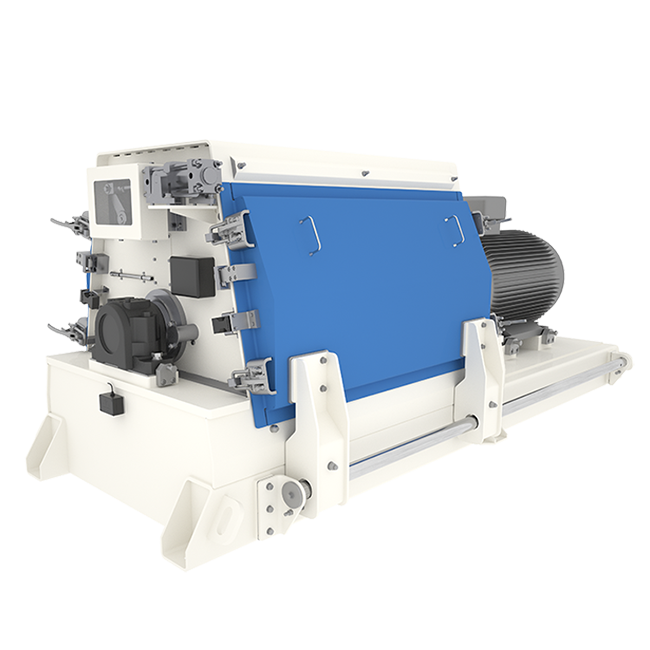
Processing raw materials through milling grinding to an exceptionally small particle size serves specific nutritional goals in modern feed production. While standard operations often aim for a moderate particle range, ultra-fine reduction pushes these boundaries, typically targeting a sub-100 micron output. This level of precision requires a deep focus on mechanical capabilities and the physical characteristics of the ingredients being processed.
Determining the Need for Sub-100 Micron Output
The necessity for such fine particles arises when a producer aims to maximize the surface area of the ingredients to improve enzymatic access. This is common in specialized diet formulations for young animals or fish, where rapid nutrient absorption is vital for early growth phases. When the particle size drops below this threshold, the physical structure of the grain changes, which affects both the flowability of the feed and its mixing stability with other additives.
Equipment and Operational Costs
Achieving this level of reduction relies on high-energy milling systems capable of sustained high-speed operation. Unlike standard hammer mills, the equipment required for ultra-fine reduction must be engineered with specific rotor speeds and screen designs to ensure the material undergoes repeated impact without overheating. The grinding process at these scales consumes significant electrical power, which impacts the overall operational budget.
Operators must also consider the wear parts involved in a specialized poultry feed grinder machine designed for such fine output. Because the abrasive nature of raw materials increases at these particle sizes, the frequency of maintenance and the cost of screen replacements are higher than in traditional systems. FAMSUN provides the technical assessment necessary for facilities to determine if their current energy and maintenance budgets can support an upgrade to this level of processing.
Ultra-fine reduction is a precise tool for specific nutritional outcomes. By evaluating whether the benefits of increased surface area outweigh the rise in energy and maintenance costs, producers can make informed decisions about their hardware. FAMSUN works with operators to provide the necessary equipment configuration, ensuring the system reaches the required micron targets while balancing the practical realities of long-term production.