Payout Percentages Require Millions of Rounds for Accuracy
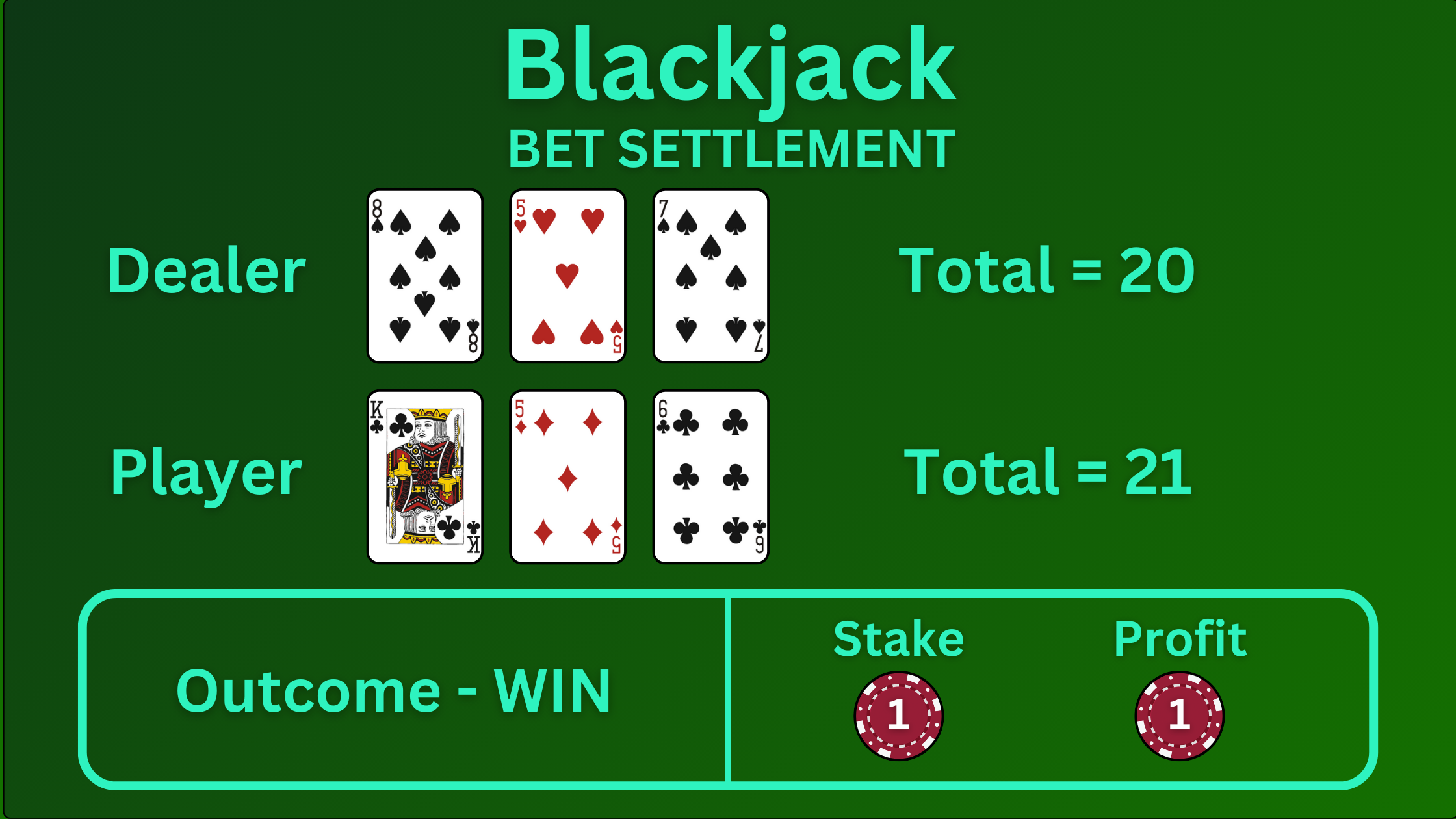
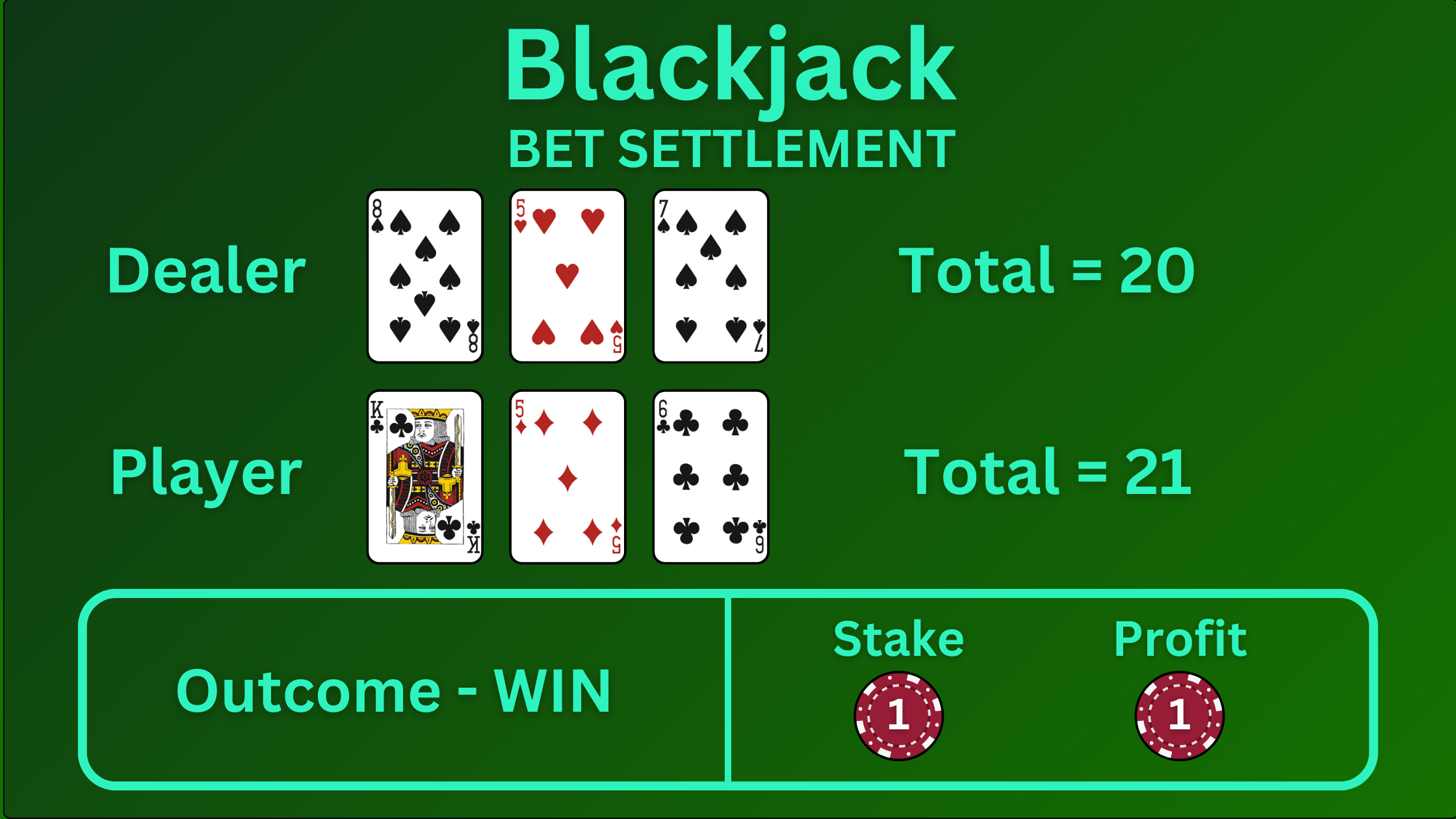
Payout percentages represent theoretical returns calculated over millions of game rounds, with most slot machines requiring 10-50 million spins to approach their published Return to Player (RTP) rates. A 96% RTP slot machine returns $96 for every $100 wagered across its entire mathematical cycle, though individual sessions can deviate dramatically from this figure.
The calculation reflects long-term mathematical expectation rather than guaranteed short-term results, with actual session outcomes varying between 0% and 500% or more depending on game volatility and session length. Professional mathematicians design these percentages using probability models that account for every possible combination and payout scenario.
Regulatory authorities require minimum payout percentages ranging from 75% in Nevada to 87% in New Jersey, with most online jurisdictions mandating 95%+ RTPs for slot games. These requirements protect players from excessively unfavorable odds while allowing operators sufficient margins for business sustainability.
Mathematical Models Define True Odds
Casino games use mathematical models that calculate exact probabilities for every possible outcome, determining payout percentages through comprehensive analysis of all potential results. Players at 666Casino and similar licensed operators benefit from independently tested RTP calculations verified by accredited testing laboratories.
Random Number Generators (RNGs) produce outcomes that match theoretical probability distributions over extended periods, though short-term results often differ significantly from expected values. The law of large numbers ensures that actual results converge toward theoretical percentages as sample sizes increase.
Slot machine payout percentages typically range from 88% to 98%, with penny slots averaging 88-92% and high-limit games offering 96-98% returns. Video poker provides the highest RTPs, with Jacks or Better returning 99.54% under optimal play conditions.
Volatility Affects Session Results
High volatility games produce larger wins less frequently, creating session results that can deviate 200-300% from theoretical RTPs during typical playing periods. Low volatility games offer more consistent results closer to published percentages but with smaller maximum payouts.
Mathematical variance calculations predict the range of expected outcomes over specific session lengths. A 96% RTP slot with high volatility might produce results between 50% and 200% during 500-spin sessions, while low volatility games stay within 80-120% ranges.
Professional slot players understand that volatility matters more than RTP for session management, as high volatility games require larger bankrolls to weather extended losing streaks before hitting significant payouts.
Testing Laboratories Verify Accuracy
Independent testing companies like GLI, iTech Labs and eCOGRA verify RTP calculations through mathematical analysis and simulation testing using millions of game rounds. These audits ensure published percentages reflect actual game mathematics.
Testing protocols require games to perform within 0.1% of stated RTPs over test cycles of 10-100 million rounds. Any deviation beyond acceptable ranges triggers investigation and potential recertification requirements.
Regulatory compliance depends on ongoing monitoring, with many jurisdictions requiring monthly RTP reporting and annual recertification. These measures protect players from mathematical manipulation or software errors that could affect payout rates.
Short-Term Results Vary Dramatically
Individual gaming sessions rarely reflect published payout percentages, with typical 2-hour sessions producing results anywhere from complete loss to 300%+ returns depending on game type and luck factors. The mathematical convergence toward stated RTPs occurs only over extended periods.
Session length significantly impacts result variance, with longer sessions generally producing outcomes closer to theoretical expectations. A 100-spin session might yield any result from 0% to 500% return, while 10,000 spins typically fall within 80-120% of the stated RTP.
Professional gamblers track results over thousands of sessions to identify actual performance versus theoretical expectations. This data helps evaluate game selection and bankroll management strategies based on observed variance patterns.
Sample Size Requirements
The following approximate spin counts are required for results to approach stated RTPs within reasonable tolerances:
- 1,000 spins: Results within 50-150% of RTP
- 10,000 spins: Results within 70-130% of RTP
- 100,000 spins: Results within 85-115% of RTP
- 1,000,000 spins: Results within 90-110% of RTP
- 10,000,000+ spins: Results within 95-105% of RTP
These ranges represent 90% confidence intervals based on typical slot machine volatility levels. High volatility games require larger sample sizes to achieve similar convergence rates toward theoretical expectations.
Casino operators rely on large player volumes to ensure their actual payouts align with game mathematics. Individual players cannot reasonably expect to achieve theoretical RTPs without playing volume equivalent to thousands of hours.
Bankroll Impact Calculations
Understanding payout percentage limitations helps players set realistic expectations and appropriate bankroll sizes for gaming sessions. A $500 bankroll on 96% RTP games theoretically loses $20 over infinite play, though session results vary widely.
Short-term variance requires bankrolls 20-50 times larger than average expected losses to survive normal fluctuations. This calculation explains why professional gamblers maintain substantial funding relative to their average bet sizes.
Psychological preparation for variance helps players avoid chasing losses during inevitable downswings that occur even on high RTP games. Mathematical understanding reduces emotional decision-making that often worsens losing sessions.
Game Types Show Different Patterns
Slot machines, table games and video poker exhibit distinct payout percentage characteristics that affect player strategies and expectations. Understanding these differences enables more informed game selection based on individual preferences and risk tolerance.
Table games typically offer higher RTPs than slots, with blackjack basic strategy achieving 99.5% returns and baccarat banker bets returning 98.94%. These games require skill and knowledge to achieve optimal results, unlike slots where outcomes are purely random.
Video poker combines elements of both slots and table games, offering high RTPs through optimal play while maintaining random card distribution. Skilled players can achieve positive expected value on certain machines through perfect strategy execution.
Progressive Jackpot Impact
Progressive jackpot games allocate portions of each bet toward growing prize pools, reducing base game RTPs while offering life-changing jackpot potential. The overall RTP includes jackpot probability, though most players never experience these rare wins.
Wide-area progressive networks accumulate jackpots across multiple casinos, creating enormous prizes with proportionally small winning probabilities. Megabucks slots feature jackpots exceeding $10 million but with base RTPs around 89% excluding jackpot contributions.
Local progressive systems offer smaller jackpots with better winning odds, typically adding 1-3% to base RTPs through more frequent jackpot hits. These systems balance improved winning chances against reduced maximum payout potential.
Side Bet Mathematics
Casino table games often feature side bets with significantly lower RTPs than primary game options. Blackjack side bets typically return 94-96% compared to 99.5% for basic strategy main game play.
Side bet appeal comes from higher payout ratios and increased excitement rather than mathematical advantage. Perfect Pairs blackjack pays 25:1 for suited pairs but carries a 95.9% RTP compared to the main game’s superior mathematics.
Understanding side bet mathematics helps players make informed decisions about optional wagers that increase action while reducing overall expected returns. Most professional players avoid side bets due to their inferior mathematical properties.