How Can I Prevent Wildlife Infestations In My Home?

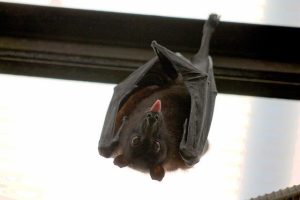
An unwelcome wildlife visitor in your house makes more than noise in the attic and droppings in the basement. Critters, including raccoons, squirrels, bats, and groundhogs, shred insulation, gnaw through wiring, and transfer harmful bacteria. They return when and wherever they establish access points, and can even draw more animals into a building.
Preventing them starts with understanding how they enter and what habitat in your home attracts them. The point is to cut off access, minimize the attractants, and move quickly when early warning signs develop.
One of the best ways to address a wildlife problem at your home is to focus on a procedure that emphasizes what it takes to address the infestation before it becomes worse. With proper preventative measures, you can have a secure property and less long-term damage.
Read on to learn more about what to do if you want to prevent wildlife infestations in your home.

1. Hire a Reputable Wildlife Removal Company
The best way to avoid a wildlife problem in the first place is with a thorough inspection of entry points. A professional wildlife removal company is familiar with the signs left behind by animals, including droppings, claw marks, and nesting materials.
During the inspection, they’ll point out loose soffits, open chimney caps, and gaps in foundation lines that you may miss during day-to-day maintenance. They focus on exclusion, which means sealing holes with long-lasting materials, screening vents, and securing roof returns.
Creatures such as raccoons pry weak screens, and bats use smaller openings. Trained staff can identify these weak areas early through detailed inspection. Employing professionals also helps prevent accidentally sealing animals inside, which creates even greater damage and odor.
However, always ensure that you hire a local, certified and experienced wildlife removal company. For example, if you live in Winchester, hire the best wildlife removal company in Winchester. Doing so ensures that you get quality services promptly.
2. Minimize Food and Water Near Your Home
Animals enter properties in search of readily available food sources. Pet food on porches, unsecured trash bins, compost piles, and bird feeders can attract raccoons, skunks, and opossums. Once they find a steady food source, they start exploring for entry points.
To deal with a problem with wildlife in your home, start by placing trash in containers with secure lids and keeping them in safe enclosures until pickup. Rake up fallen fruit under trees and avoid allowing standing water in buckets, gutters, or low-lying areas. Most wildlife feed on insects, and stagnant water where bugs gather increases activity.
By removing these attractants, you prevent animals from hanging around your property line. A clean exterior, combined with routine yard checks, significantly reduces the chances of animals establishing territory near your home.
3. Secure the Attic, Crawl Space & Roof Access
With warmth and shelter, attics and crawl spaces are perfect nesting spots. Animals get in through loose shingles, uncapped chimneys, torn vent screens, and openings where utility lines meet siding.
Regular roofline inspections from professionals can help stop these access points from remaining open long enough to attract wildlife. Professionals often use heavy-gauge screens and metal flashing instead of simple mesh, which animals can easily tear through.
Vents should be fitted with wildlife-proof screening, not generic pest mesh. Ensure crawl space doors close tightly and that foundation vents are adequately covered. A wildlife-proof home uses reinforced barriers designed to resist clawing, chewing, and prying—not just basic screens.
4. Know How to Read the Early Signs & React Fast
Scratching in walls, noises in the attic at sunrise or sunset, droppings around vents, and disturbed insulation are signs of wildlife activity in your home. Homeowners often overlook these early warnings, thinking they’re minor issues.
However, wildlife control experts say waiting gives animals time to build nests, reproduce, and cause more damage. By acting quickly at the first sign of activity, you prevent long-term infestations.
Start by checking around your home for wildlife damage such as chew marks, loose shingles, or freshly dug soil near the foundation. The process should also include trapping, removing, and sealing any entry points to prevent repeat entries.
Delaying action can lead to animals dying inside walls or nesting debris accumulating, which can cause unpleasant odors and the spread of parasites. Keeping a checklist of warning signs and reacting immediately keeps wildlife from turning a small hole into a permanent entry route.
5. Keep Up Long-Term Barriers and Monitoring
Prevention isn’t a one-time task. Animals adapt, weather wears things down, and new gaps appear over time. Handling a wildlife problem in your home will require ongoing inspections even after exclusion work is completed.
Walk around your house, especially after storms or strong winds that may loosen screens and flashing. Inspect the roof edges, chimney caps, and attic vents for signs of wear and tear. Trim branches that hang over your roof to stop squirrels and raccoons from jumping onto your home.
Maintaining long-term barriers ensures even curious animals can’t gain a foothold. Regular attention to weak points strengthens your home’s defense and keeps wildlife from returning.
Conclusion
Preventing wildlife infestations comes down to taking care of the basics: blocking access, reducing attractants, and responding quickly to early signs. A professional inspection reveals hidden entry points and structural gaps that need sealing.
From there, consistent maintenance and monitoring keep your defenses strong.
Wildlife seek the easiest entry and most reliable food source. Removing both takes away their interest in your home. The best wildlife removal companies often emphasize exclusion and long-term prevention to ensure adequate protection.
With a proactive approach and awareness of how animals behave, you can safeguard your property and avoid the high costs and stress of major infestations in the future.