Breath, Focus, and Form: The Athletic Value of Yoga
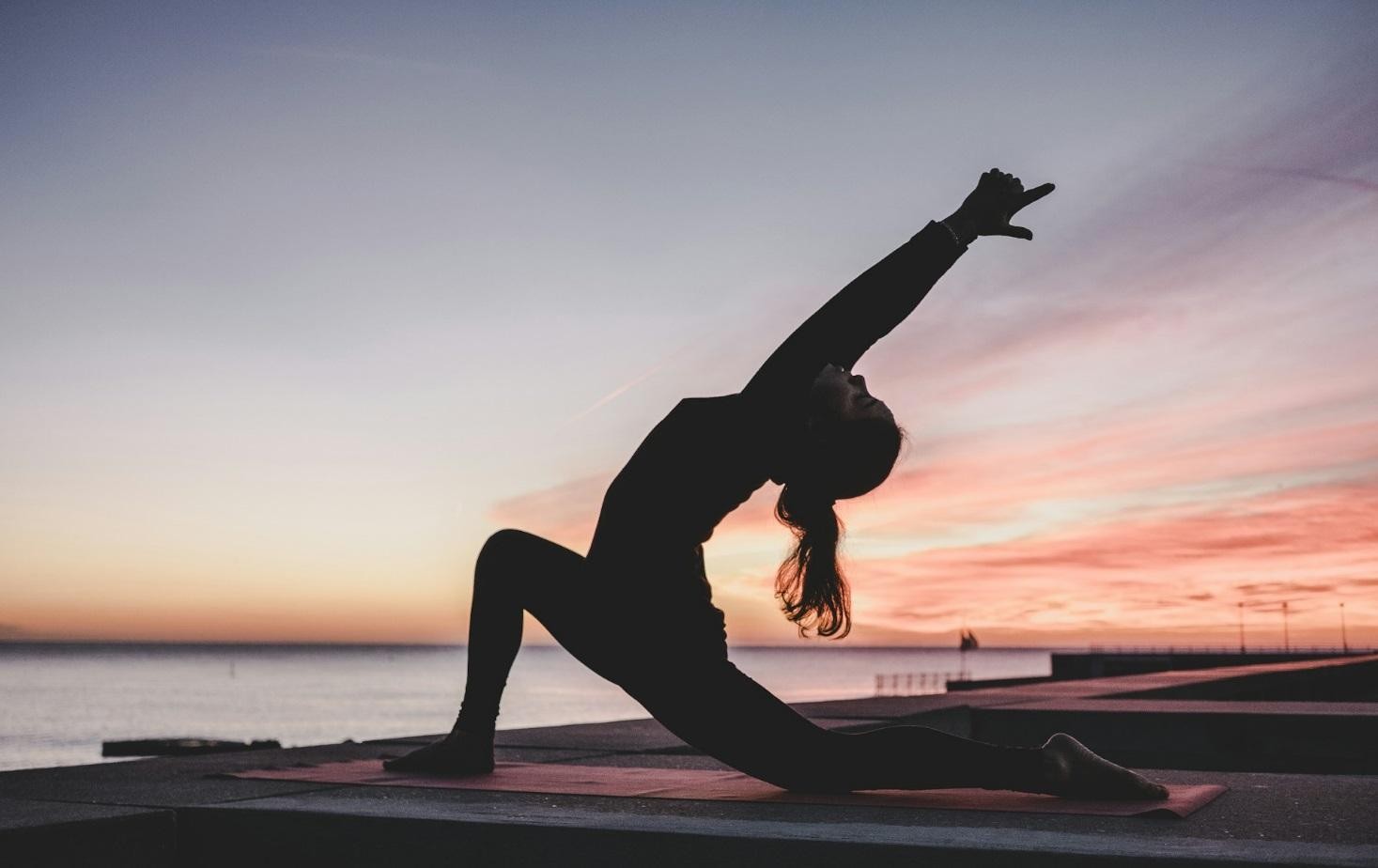
What once belonged to quiet temples now reaches locker rooms. This ancient practice has come a long way to now sit alongside weights and treadmills. It is less about perfect poses these days, and more about understanding yourself.
Among athletes, the calm gained from steady breathing turns into sharper control under stress. The same calm helps bettors plan with reason, not impulse. 1xBet Android apk often becomes a casual mention in conversations about routine and focus. Those who play or wager online know that mental steadiness is worth as much as physical skill. Holding a pose or waiting for the right moment demands the same discipline.
Old training methods chased power. Modern ones chase control. A balanced athlete reacts faster and gets injured less. Studies from sports medicine show that regular yoga practice can improve single-leg stability by nearly a third within eight weeks. That balance matters more than strength when the difference between winning and falling is one small misstep.
Body Rhythm and Control
For much of the twentieth century, many coaches ignored yoga. It looked too slow, too quiet. But time proved otherwise. When breath matches movement, muscles learn to react in smoother chains. Sports doctors describe it as the “coordination curve” – the point where motion follows rhythm instead of effort.
This shift explains why footballers, basketball players, and even sprinters now spend time on mats. Breathing rhythm replaces tension, helping athletes recover concentration after mistakes.
- Controlled breathing lowers heart strain.
- Focused stretches protect joints under sudden turns.
- Calm routines shorten muscle recovery.
These results no longer surprise trainers. They know control is another form of endurance.
Mental Pattern of Patience
Yoga slows down the mind. That skill becomes priceless during analysis or decision-making. Athletes notice they can read a play a fraction earlier; bettors recognise patterns before others react. Decades ago, martial artists in Japan trained similar patience through kata practice. They repeated slow movements until reaction replaced hesitation.
This habit mirrors betting logic. Quick choices often fail. A calm observer waits, reads, and then acts. Yoga offers that mental rhythm. After months of practice, many athletes admit they no longer rush under pressure, whether facing a defender or watching shifting odds.
From Ancient Mats to Modern Gyms
Two centuries ago, travelling teachers demonstrated yoga in London’s private clubs. By the mid-1900s, physiotherapists began adapting its movements for rehabilitation. In the 1980s, sports institutes started testing its influence on coordination and recovery. One report from the University of Delhi found that daily practice reduced reaction delay by nearly 20%.
Since then, yoga has entered training plans for tennis, cricket, and even Formula One. Teams use it during off-season to maintain flexibility without stress. Coaches who once laughed at slow stretches now schedule them beside strength drills. Time changed their minds.
Risk, Control, and Balance
No game is free from risk. A slippery pitch or a wrong step can undo months of preparation. Yoga trains the nervous system to predict imbalance earlier than sight can notice. The same skill applies to those studying data or predicting outcomes. Recognising when something feels unstable is the first sign of control.
Balance is more than not falling. It is the moment when thought and movement share one rhythm. In both sport and analysis, that rhythm defines success.
Integration into Training
Modern academies keep yoga simple. Sessions last half an hour, twice a week, with focus on breath and slow tension release. Trainers observe fewer injuries and smoother coordination between players. Medical reports confirm reduced back strain and shoulder stiffness among those who follow consistent routines.
Team sessions also help build group rhythm. Shared breathing sets a collective tempo, improving synchronisation during matches. The calm atmosphere after such practice often lasts for hours, carrying into both locker rooms and study desks.
Quiet Strength
Balance remains the hidden strength of every sport. It cannot be timed, weighed, or measured easily. Yet it decides the moment between success and collapse. Yoga teaches athletes and analysts to stay present, neither rushing forward nor drifting away.
Long ago, teachers called it the art of still movement. Today it might simply be called preparation. In a stadium or behind a screen, the lesson stays the same: stability wins when speed fades.