Moving Head Wash Light Future Trends: OLED, Laser Phosphor, and AI-Assisted Control
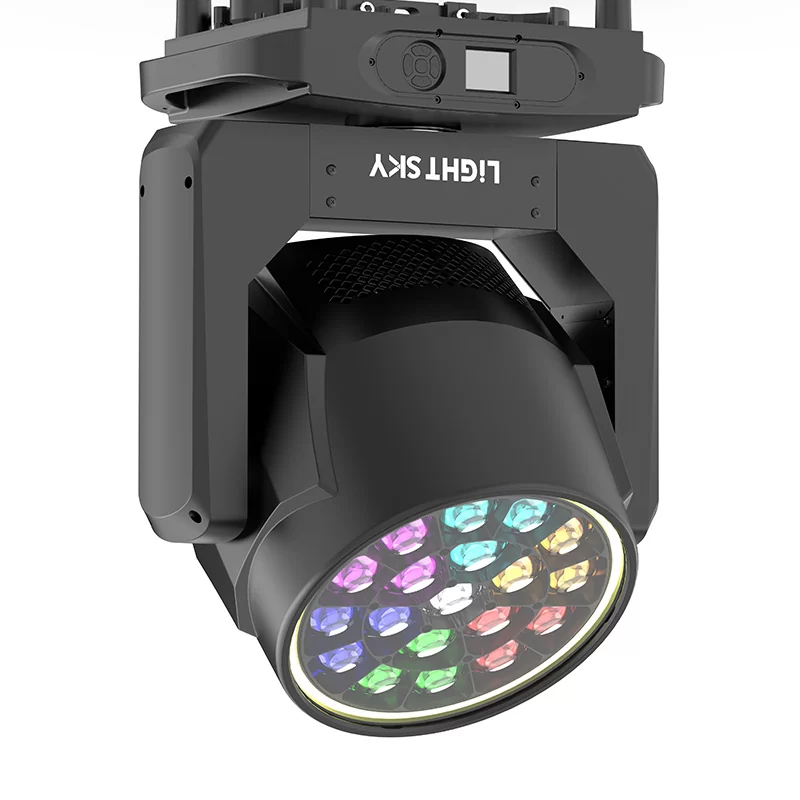
The evolution of stage lighting technology has dramatically transformed performances, leading to innovative lighting solutions such as the LED wash moving head, the moving head wash light, and the LED beam moving head. As the entertainment industry continues to embrace advanced technologies, various trends are shaping the future of these lighting systems. Among them are OLED technology, laser phosphor innovation, and the integration of AI-assisted control, making a remarkable impact on how lighting designers craft immersive experiences.
Innovations in OLED Technology
Organic Light Emitting Diodes (OLEDs) are at the forefront of the latest developments. With their ability to produce vibrant colors and seamless dimming capabilities, OLED technology offers a unique advantage in creating dynamic atmospheres for various settings. This advancement allows for enhanced dynamic range, enabling the moving head wash light to operate with improved accuracy in color reproduction and brightness levels. Furthermore, the flexibility of OLEDs facilitates the creation of thinner and lighter fixtures, paving the way for improved mobility and installation versatility.
Laser Phosphor Advancements
Another significant trend in the realm of stage lighting is the utilization of laser phosphor technology. This innovation allows for high-brightness output while maintaining energy efficiency, a key feature sought by lighting designers. The incorporation of laser phosphor in the LED beam moving head provides an extended service life, ensuring fewer replacements and maintenance efforts over time. Such durability not only reduces operational costs but also elevates the overall reliability of lighting systems used in demanding professional environments.
The Rise of AI-Assisted Control
As lighting technology evolves, the introduction of AI-assisted control systems is becoming increasingly prevalent. These intelligent systems enable enhanced precision in light positioning and color mixing, revolutionizing how users interact with their lighting setups. By employing smart algorithms, the LED wash moving head can adaptively respond to performance cues, creating captivating visual experiences that already raise the creative bar for lighting designers. This integration of AI opens up new possibilities for programmable lighting designs, where dynamic automation creates unique, responsive environments.
Conclusion
The future of moving head wash lights, particularly those powered by OLED, laser phosphor technologies, and AI-assisted control, looks promising. As the industry continues to advance, solutions made by companies like LiGHT SKY are instrumental in pushing the boundaries of creative expression in performance lighting. The integration of these technologies offers myriad benefits that enhance visual storytelling and audience engagement, ensuring that stage productions become truly memorable experiences. With ongoing innovations, the potential for creativity in lighting design remains limitless.