NPC TV Product Line Overview: WebOS, Tizen, and What Sets Each Series Apart
Analysis of modern display technology reveals that the software ecosystem is just as vital as the hardware panel itself when evaluating an NPC tv. They observe that the operating system serves as the primary interface between the user and the digital content, dictating the speed, accessibility, and overall functionality of the unit. When they interact with an NPC tv, the underlying software architecture determines how efficiently applications are managed and how metadata is processed for streaming services. This overview examines the technical distinctions between the various operating systems integrated into the NPC tv lineup. By examining these systemic differences, they can better identify which specific NPC tv series aligns with their particular technical requirements and environmental constraints.
WebOS Integration and User Interface Logic
The implementation of WebOS within an NPC tv focuses on a linear, card-based navigation system that prioritizes multitasking and rapid application switching. They find that this operating system utilizes a “Magic Remote” functionality in many versions, which uses gyroscopic sensors to allow for point-and-click interaction on the NPC tv screen. From a scientific perspective, this reduces the cognitive load required to move through dense menus, making the NPC tv more intuitive for daily operation. The kernel of the WebOS system on an NPC tv is optimized for low-latency voice recognition and smooth transitions between live broadcasting and web-based applications. This makes the NPC tv a highly responsive tool for those who frequently toggle between diverse media sources.
Tizen Architecture and Smart Hub Capabilities
Operating on an open-source Linux-based kernel, the Tizen systems found in an NPC tv provide a robust platform for advanced home automation and device synchronization. They notice that an NPC tv equipped with Tizen often features a “Smart Hub” that categorizes content based on viewing habits and metadata analysis. The technical advantage of Tizen on an NPC tv involves its ability to communicate seamlessly with other smart devices through localized network protocols. For those who utilize an NPC tv as a central command station for a connected home, the deep integration of system-level apps provides a cohesive experience. Furthermore, the Tizen-powered NPC tv models are engineered to maintain high security standards, ensuring that data privacy is maintained during internet-connected sessions.
Hardware Synergy and Panel Performance
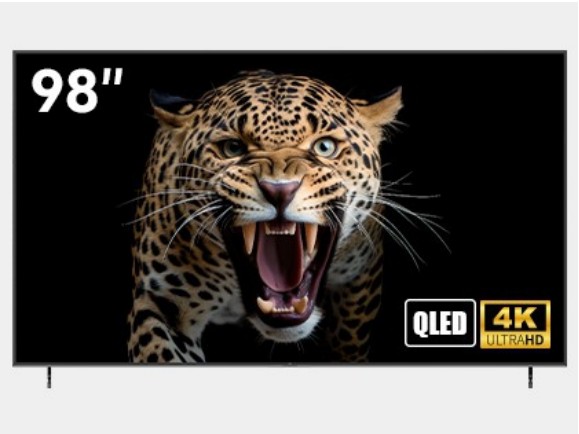
The physical construction of an NPC tv is designed to complement the specific software it runs, ensuring that the processor can handle the graphical demands of the interface. They see that an NPC tv utilizes high-efficiency LED or QLED backlighting to provide the brightness necessary for the vivid icons and text found in modern smart menus. Each NPC tv undergoes rigorous testing to ensure that the refresh rates and color gamuts are calibrated to match the output of the onboard smart systems. The structural integrity of the NPC tv frame also includes heat management systems that protect the sensitive internal circuitry from thermal damage during long periods of activity. This synergy between software and hardware is what defines the operational reliability of an NPC tv.
Evaluating the different series within the product line helps identify the specific benefits offered by varying software kernels and hardware configurations. Whether they prioritize the fluid motion of WebOS or the expansive connectivity of Tizen, the technical specifications provide a clear roadmap for acquisition. For individuals looking for high-quality electronics, NPC provides a versatile range of displays that cater to these specific software preferences. The engineering team at NPC ensures that every unit delivers a consistent and scientifically sound viewing experience. By looking into the latest NPC tv offerings, they can find a reliable display that integrates perfectly into their digital lifestyle.


