Understanding Slot Games Mechanics for Home Educators and Parents
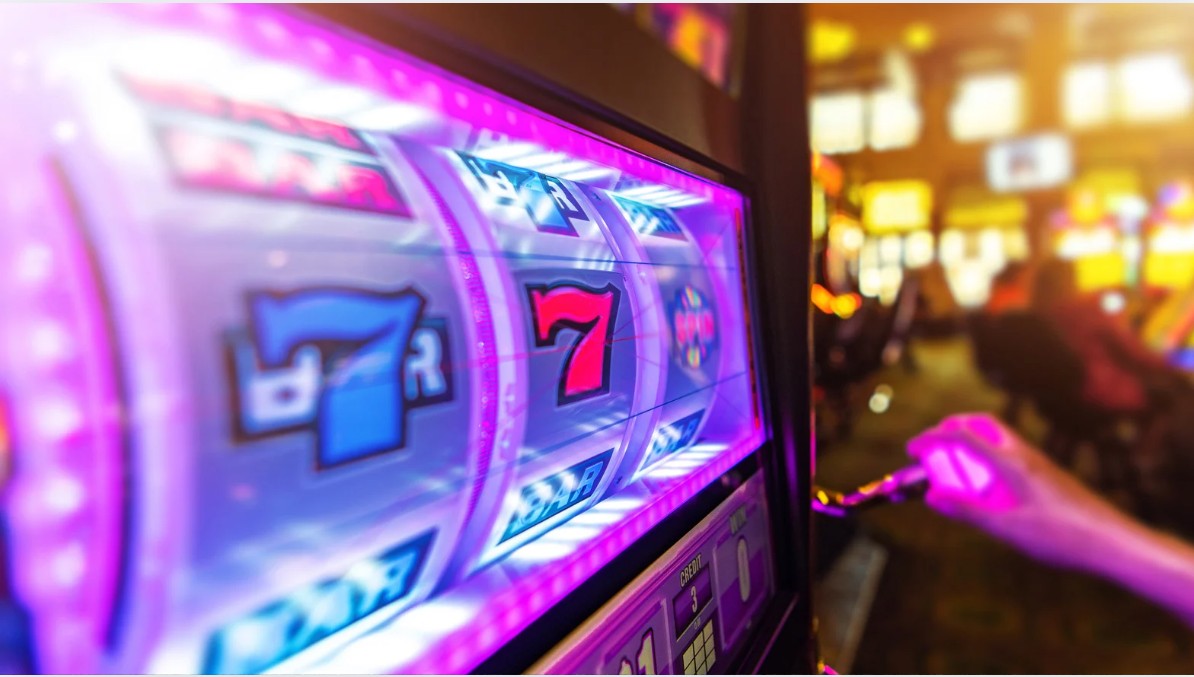
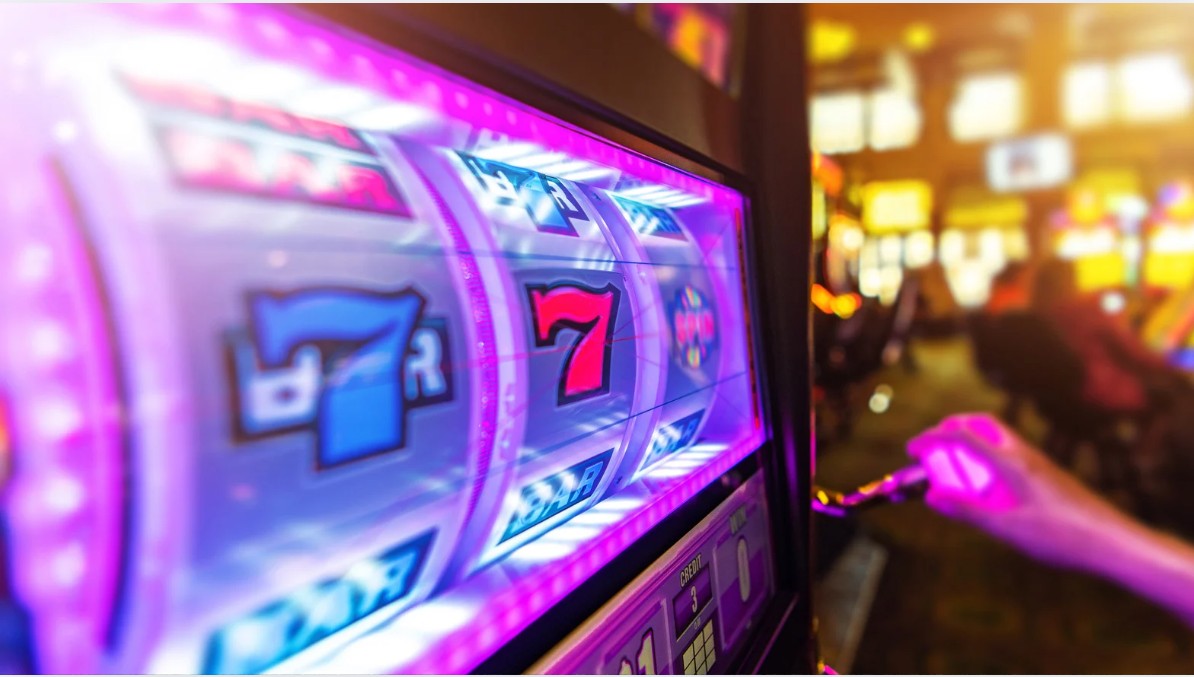
There’s a number floating around from the American Gaming Association—a bit staggering, if true—something like $7 billion in digital slot revenue back in 2022. That aside, it appears there are opportunities here for parents and home educators to dig into ideas like chance, probability, and the kind of risk assessment you see in daily life. Getting into the nuts and bolts tends to sharpen a person’s math sense, and, maybe more importantly, people start to notice just how much randomness influences the tech they use. Slot mechanics, oddly enough, can put fresh spin on math lessons that might have felt a bit stale otherwise.
Key mechanics in contemporary slot systems
What you find in modern slot games is a combination of moving parts: RNGs, spinning reels, and these things called paylines. It’s the blend that makes each play feel isolated from the last. Apparently, these RNGs don’t really sleep—they keep churning out thousands of possible results every second, which means that, in theory, any spin stands completely on its own.
Since the late ’90s, most slots seem to have stuck with five reels (though not always), and, with so many new symbols in play, the complexity only ramps up. Physical machines used to be limited—ten, maybe 20 symbols per reel—but now, even the hardware can echo digital setups where the combinations multiply until it gets a bit head-spinning (there are claims about 40 million or more possibilities on a single slot). And paylines? Three or five used to be the norm; now you can stumble on games boasting 243 different ways to experience the game. If you’re curious, some education-focused sources have pointed out that all these options make teaching fractions and other probability concepts a lot easier—or at least more varied—than before.
Online play and the concept of randomness
Most online slots use certified RNGs to keep each spin’s result truly independent. The mechanics running under the hood are regularly checked, or so we’re told, and regulation seems tight enough to ensure a fair shake. When home educators lean on free-simulated slot games as teaching tools, one thing that stands out is how quickly these digital systems can run through potential combinations—there’s just no way to cover that ground with dice or cards, at least not fast. It’s a great example for demonstrating that past events have pretty much zero influence on future outcomes—a point that comes up in probability lessons all the time.
There was a survey that suggested parents using analogies from slot play saw people catching on to ideas like statistical variance a bit quicker—though, naturally, every group is a bit different. Stuff like probability curves, volatility, even the payout structures, can be visualized in seconds through a simulation, though it’s worth pointing out: the underlying math shows up whenever folks talk about uncertainty, whether you’re looking at forecasts, genes, or something else entirely.
Combinatorial learning through reels and paylines
Symbols on those reels—sometimes you just need something visual to click. Five-reel slots might offer up ten, maybe as many as fifteen symbols per reel, so the possibilities, mathematically, shoot sky-high, into the millions. Trying to map out all the combinations can turn into a real moment in statistics, especially when individuals try calculating how many ways a certain sequence might land or which specific patterns could occur. Some education blogs have pointed out that, for some, using slot mechanics as a teaching lens can help students see what probability trees or event independence actually look like.
Compared to the standard classroom dice rolls (or, let’s be honest, card tricks), digital slot simulations manage to pack in a ton more randomness and scope—possibly making them the more effective tool for advanced probability. And breaking down those payout tables? That’s where a practical sense of expected value kicks in, sometimes more clearly than with traditional math games.
Implementing slot-based activities at home
Sometimes all you need is a stack of index cards, a few colored pencils, and a spinner. Educators, often working at the kitchen table, can bring slot mechanics to life with nothing more than these basics. Writing down numbers or colors, shuffling, and drawing at random can echo how digital RNGs operate, only now it’s tangible—something real for people to grab onto.
If the tech is handy, online slot simulations (or even just “play money” versions) offer a safe and risk-free way to experiment with probabilities in real time. Lessons might shift from straightforward quizzes to quick guessing games, who can calculate likelihoods or spot patterns the fastest, anything to keep it lively. And if the stakes are low—say, working toward a small household treat—it can make practice feel a bit more meaningful. Still, some parents prefer gentle structure, setting clear boundaries around play, especially when tying math concepts to rewards.
Responsible gambling and educational use
There’s value, potentially, in using slot games as visuals for teaching, provided the line between learning and gambling stays crisp. It’s key to underline that the outcome is random, there are no real prizes at stake, and actual gambling isn’t part of the deal—it keeps things safe. Some educational sources have mentioned that being upfront about what’s real and what’s just simulation helps individuals learn the difference between fun and risk..
For home educators, clarity about randomness and a sense of control seem pretty vital to avoid blurring the message. Slot-based activities, if handled mindfully, feel like they could get individuals curious about probability without crossing into that problematic territory. The trick is to stay open about the purpose—where the exercise ends and real-world risk begins—and, like anything else, keeping an eye on balance might be more important than any individual lesson.