Strong THC Sprays For Chronic Pain & Stress: Are They Worth It?
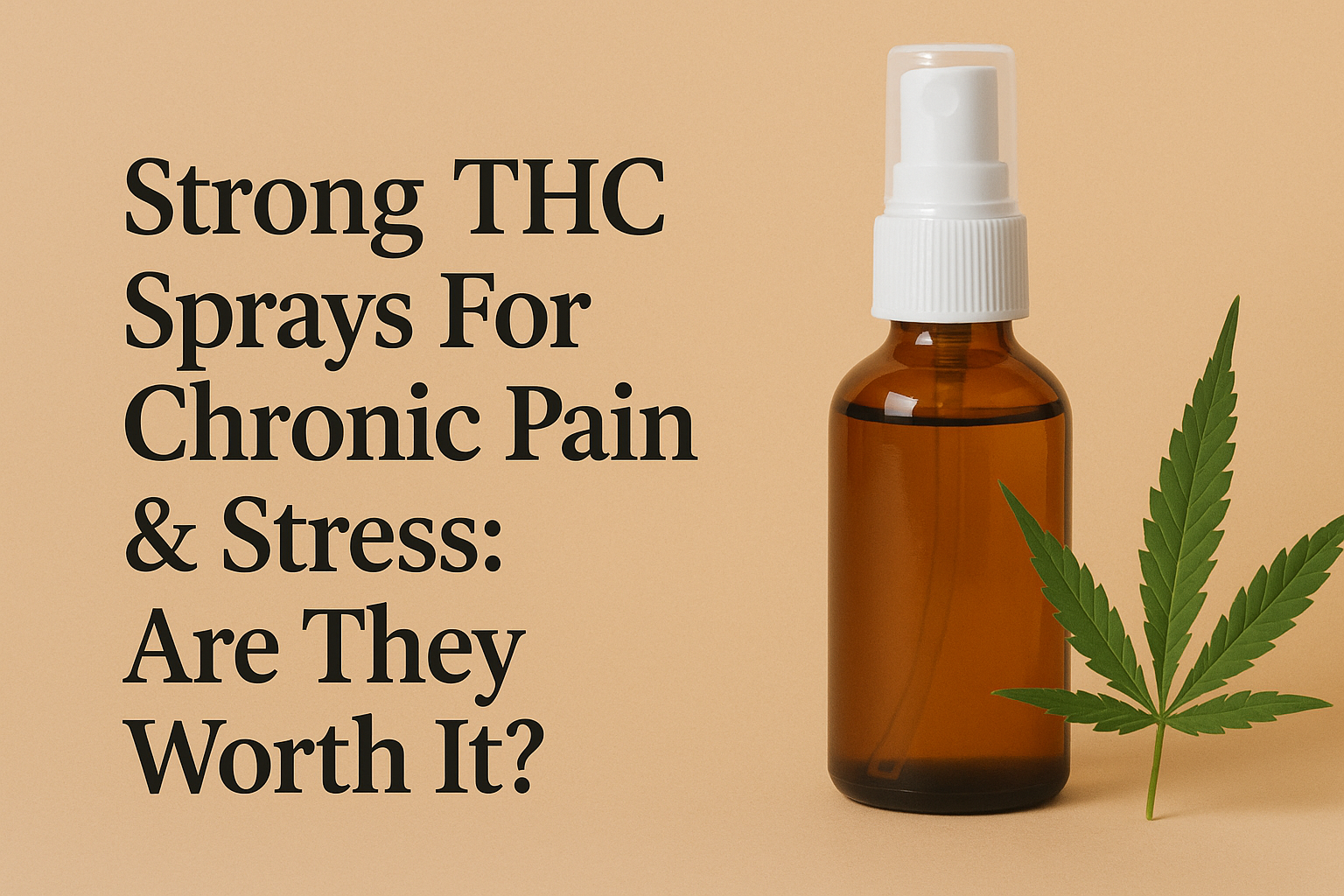
Chronic pain and stress plague millions of people every day. When traditional treatment options fail, many people turn to other solutions that fit their lifestyles. Over the last few years, THC sprays have become a popular choice among these consumers because they offer immediate relief in a convenient format. But do they actually work?
When you inhale THC or CBD, it latches onto certain receptors on nerve cells in the brain and slows down pain signals in the body. THC is modestly effective at decreasing chronic pain, especially nerve-related pain associated with multiple sclerosis.
Here is what makes them unique, how they work, and what you should know before trying them.
How THC Sprays Absorb Into Your System
Unlike edibles, THC sprays are designed for oral or sublingual use. That means you spray under your tongue or inside your cheeks. The cannabinoids are absorbed directly into your bloodstream through the soft tissues in your mouth.
This ensures they don’t have to pass through your liver before entering circulation. It also means the high onset is much quicker and typically within minutes.
A good example of a strong THC spray with this effect is Oral Mist 1:1 CBD x THC. It features a balanced ratio of THC and CBD, which many people find useful because they get the effects of THC but also take advantage of CBD’s more calming and modulating effects at the same time.
Since the absorption is so fast, this spray works well when dealing with acute pain or stress that suddenly pops up, and you can’t wait for an edible or capsule to kick in.
However, the effects don’t last as long as edibles. Most people find that relief tapers off after 1-3 hours, so they’re often better as a fast-acting option rather than a long-term solution.
The Science behind THC and Pain Management
THC interacts with CB1 and CB2 receptors that are part of your body’s endocannabinoid system. These receptors live in your brain, spinal cord, immune system, and peripheral nervous system. By binding to the CB1 receptors in your central nervous system, THC blocks pain signals before they can get to your brain.
The compound also prompts the CB2 receptors on your immune cells to moderate inflammation. Studies have shown that low dose of THC produces an analgesic effect on various conditions that cause neuropathic pain.
Products high in CBD, along with THC, tend to yield better results than those that contain just THC alone. Cannabidiol dampens some of the psychoactive effects of THC while also adding its own anti-inflammatory benefits into the mix.
A 1:1 ratio of CBD to THC is a great starting point or baseline approach for newcomers because you’ll experience less anxiety from consuming too much THC while taking full advantage of the anti-inflammatory response.

Why People Use Them for Pain and Stress
For chronic pain, THC helps tamp down how strongly the nervous system interprets pain signals. At the same time, CBD has anti-inflammatory effects that can help relieve inflammation and muscle tension linked to arthritis, fibromyalgia, or general neuropathic pain.
Sprays work fast, so you’re not playing wait-and-see with effects; you can take the edge off pain or stress immediately, then dial the dosage if necessary.
How Sprays Compare to Other Methods
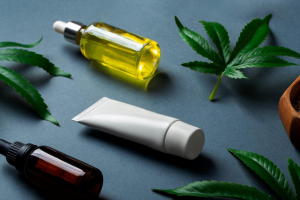
Among tinctures, gummies, and vapes, sprays are in their own category. They take effect faster than tinctures or edibles but don’t last as long. Vaping can deliver relief just as quickly, if not quicker, but it requires inhalation. Sprays offer a quick relief without having to inhale anything.
They might not be enough by themselves, but they work great as a complement to longer-acting methods. For example, you might use a THC gummy for your baseline and then use the spray when you have breakthrough pain or sudden stressors.
Risks and Limitations You Need to Know
THC sprays, even when well-formulated, aren’t risk-free. The psychoactive effects can be distracting, and some people experience anxiety, dry mouth, or dizziness when they take too much. Eventually, regular use of potent sprays may build up a tolerance, so you must buy more for equivalent relief.
There’s no easier way to catch a case than by accidentally spraying yourself with illegal THC. In the U.S., hemp-derived products must stay under 0.3% delta-9 THC on a dry weight basis to be federally compliant.
Finally, remember that the method is far from foolproof since sprays are absorbed orally. Depending on how long you hold a spray before swallowing, if you’ve recently eaten food, or even how hydrated you are, not all THC sprayed will end up in your system.
Using Strong THC Sprays Responsibly
Sprays work best as a part of your routine, rather than a shortcut. Begin with the smallest dose recommended and let it hit before spraying again. Maintain the mist under your tongue for 30 seconds to help maximize absorption.
Keep note of relief timing and any side effects so you can work on adjusting slowly. Take breaks regularly or lower your dosage, so tolerance doesn’t form quickly. Quality matters too; make sure to use a product that’s been third-party tested for potency and purity.
Conclusion
Strong THC sprays are a good option for those who need instant, substantial relief from pain or stress and don’t have time to wait around for an edible to take effect. They may not be for everyone, but they are quite effective when used with a smart dosing and wellness regimen.
If you try them, start low and slow, while being mindful of how your body responds. A properly made THC spray can be a game-changing tool in the management of both chronic pain and ongoing stress if used as directed.


